Product Description
HangZhou Dezheng Outdoor Co.,Ltd is located in HangZhou City, ZheJiang Province which is less than 1 hour driving to HangZhou. We are a professional company cooperate with long-term associate factories concentrate on furniture only which has a wide range of products such as aluminum furniture, rattan furniture, hotel furniture, restaurant furniture, dinning set etc.
There are 100 workers in our factory and we can produce 20,000pcs chairs per month. OEM projects are highly welcomed, we have strong engineer team to support us for design and production. On time delivery, high quality and good service are the top goals of our company.
Using qualified material and producing according to standard steps, we have passed SGS quality system, BSCI and ISO certificate.
We own acid pickling pool, dirty water filtration system and two powder coated lines with environment friendly authority certificate, 1 line is for customize products and sample development, designer products, project projects.
The other 1 line is 800 meters long bulk order powder coated line for regular products, make sure for the products quality are the best, can control all the products that we produced are perfect.
| Steel tube: | ф16*1.5mm tube legs, with extra aluminum tube reinforce |
| Rattan: | ф4.8*3.0mm round PE rattan, Reinforce rattan, UV-resistant |
| Connect way: | All full welded & polished |
| Armrest: | With Aluminum armrest |
| Packing way: | composite kraft paper wrapped, stacked with wheeled bracket |
| Surface treatment: | Two times color powder coated, anti-rusting (Bamboo/Ivory/Wood/ plain color) |
| Capacity: | 150 kg / 2 years warranty |
| Loading QTY: | 504/1008/1120 pcs in 20GP/40GP/40HC |
| Size: | 62x62x72cm |
| Material: | Steel & Rattan |
|---|---|
| Style: | European |
| Folded: | Stackable |
| Usage: | Bar, Hotel, Dining Room, Outdoor, Home |
| Condition: | New |
| Customized: | Non-Customized |
| Samples: |
US$ 28/Piece
1 Piece(Min.Order) | |
|---|
| Customization: |
Available
|
|
|---|
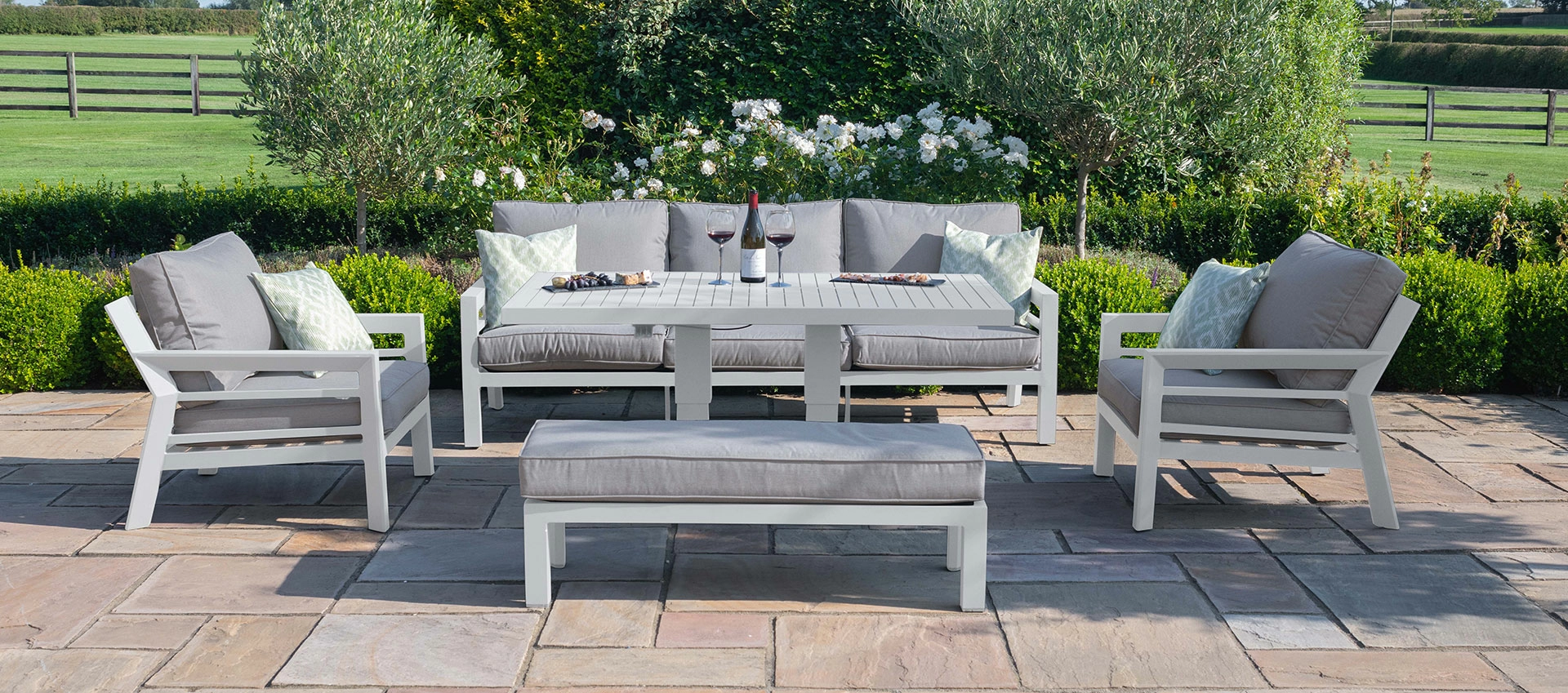
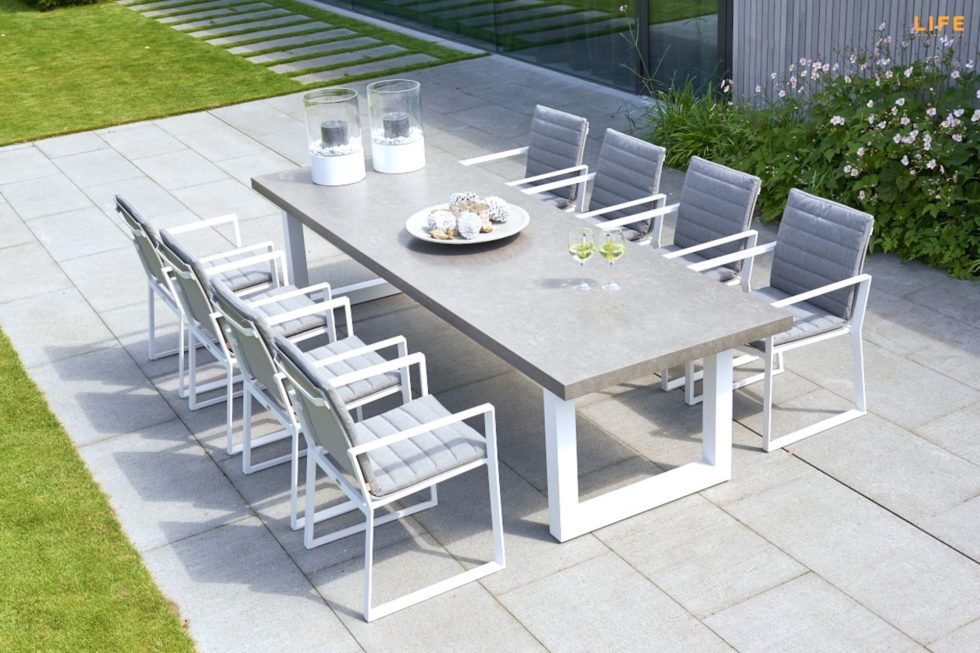
What are the latest trends in aluminum garden furniture designs and styles?
The world of aluminum garden furniture is constantly evolving, and there are several exciting trends in designs and styles. Here are some of the latest trends:
1. Minimalist and Contemporary:
Minimalist designs with clean lines and sleek profiles are gaining popularity. Contemporary aluminum furniture often features minimalist aesthetics, emphasizing simplicity and functionality. These designs create a modern and uncluttered look in outdoor spaces.
2. Mixed Materials:
Combining aluminum with other materials, such as wood, rope, or fabric, is a popular trend. This fusion of materials adds visual interest and texture to the furniture. For example, aluminum frames paired with wooden accents can create a warm and natural feel.
3. Outdoor Lounge Sets:
Lounge sets are in high demand, offering comfortable seating arrangements for relaxation and socializing outdoors. These sets often include sofas, club chairs, ottomans, and coffee tables. Aluminum lounge sets with plush cushions provide a luxurious and inviting outdoor seating experience.
4. Modular and Sectional Designs:
Modular and sectional furniture allows for versatility and customization. Aluminum garden furniture with modular designs enables users to rearrange seating configurations based on their needs and preferences. This flexibility is especially appealing for those who like to change their outdoor layout frequently.
5. Curved and Organic Shapes:
Furniture with curved or organic shapes adds a touch of elegance and softness to outdoor spaces. Aluminum garden furniture featuring rounded edges, curved backs, or flowing contours creates a more inviting and comfortable atmosphere.
6. Bold Colors:
While classic neutral tones remain popular, bold colors are making a statement in aluminum furniture designs. Vibrant shades like deep blues, rich greens, and warm oranges are being used to add personality and create focal points in outdoor settings.
7. Sustainable and Eco-Friendly Designs:
In line with the growing emphasis on sustainability, there is an increasing demand for eco-friendly aluminum furniture designs. Manufacturers are incorporating sustainable materials, such as recycled aluminum and responsibly sourced wood, and adopting environmentally conscious production practices.
8. Outdoor Dining Sets:
Outdoor dining sets continue to be a staple in aluminum furniture designs. These sets typically include a dining table and matching chairs, providing comfortable and stylish seating for outdoor meals and gatherings. Designs range from traditional to modern, catering to various aesthetic preferences.
These are just a few of the latest trends in aluminum garden furniture designs and styles. Whether you prefer minimalist, mixed materials, lounge sets, modular designs, curved shapes, bold colors, sustainable options, or outdoor dining sets, there is a wide range of options available to suit your personal taste and create a stylish outdoor living space.
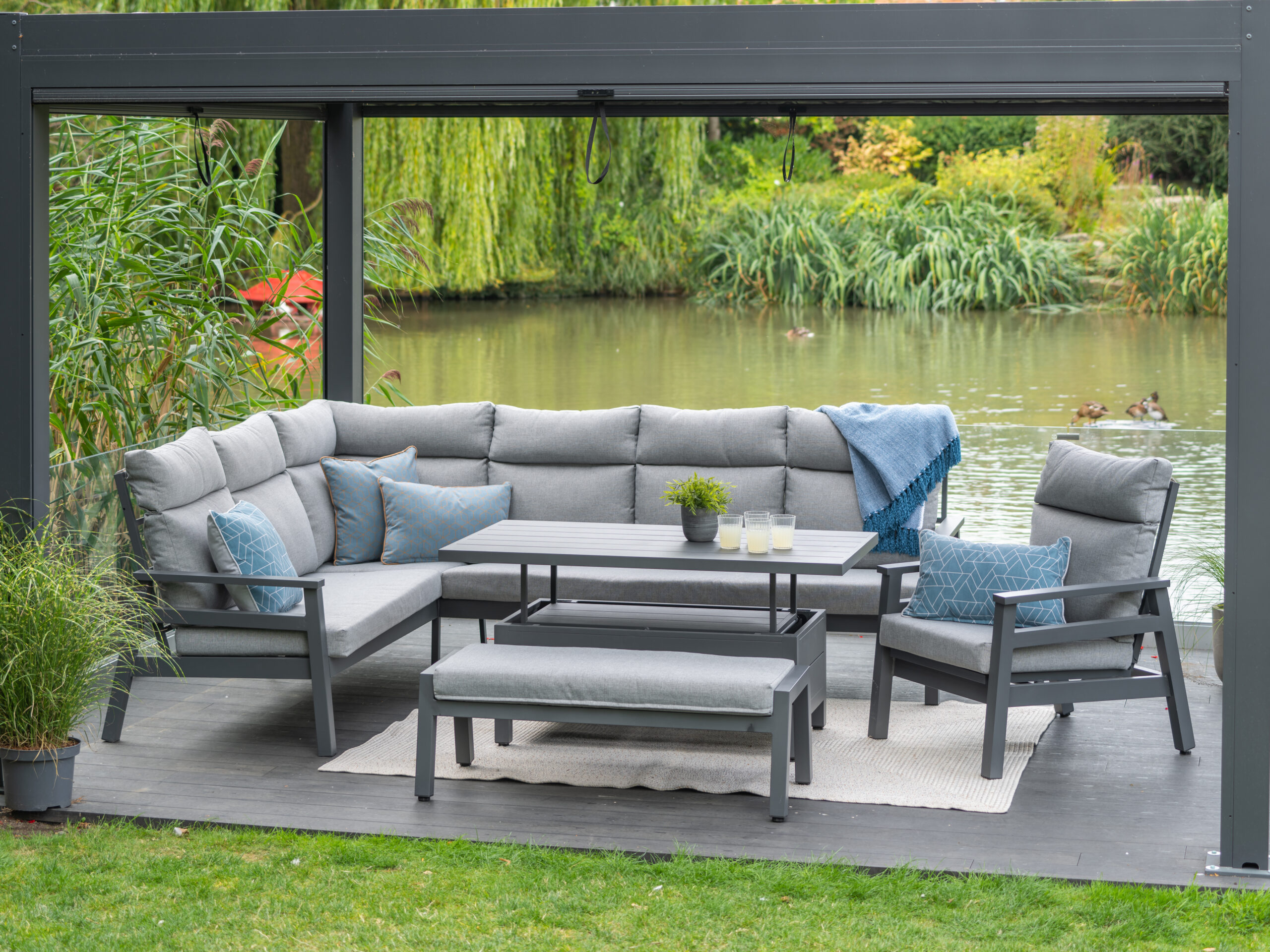
Can I find aluminum garden furniture sets that are both stylish and easy to clean?
Yes, you can find aluminum garden furniture sets that are both stylish and easy to clean. Aluminum is a popular choice for outdoor furniture due to its durability, versatility, and low maintenance requirements. Here’s why aluminum garden furniture sets can offer a combination of style and easy cleaning:
1. Stylish Designs:
Aluminum garden furniture sets come in a wide range of stylish designs to suit different tastes and preferences. Whether you prefer modern, contemporary, traditional, or rustic styles, there are aluminum furniture sets available to complement your outdoor decor. The versatility of aluminum allows for various design elements, including sleek lines, intricate patterns, and decorative details.
2. Finishes and Colors:
Aluminum furniture sets often feature different finishes and colors to enhance their visual appeal. They can be powder coated, painted, or anodized to provide a desired look and protection against the elements. Powder coating, in particular, offers a durable finish that comes in a wide array of colors, allowing you to choose a shade that matches your style and preferences. Whether you prefer vibrant hues, neutral tones, or metallic finishes, there are options available to suit your aesthetic.
3. Low Maintenance:
Aluminum garden furniture sets are known for their low maintenance requirements. Aluminum is naturally resistant to rust and corrosion, making it well-suited for outdoor use. Unlike other materials, such as wood or wrought iron, aluminum does not require regular staining, sealing, or painting to maintain its appearance and structural integrity. To clean aluminum furniture, simply wipe it down with a mild soap and water solution, rinse thoroughly, and let it air dry. This straightforward cleaning process allows you to enjoy your furniture without spending excessive time and effort on maintenance.
4. Weather Resistance:
Aluminum is highly resistant to weathering, which contributes to its easy cleaning and maintenance. It does not warp, crack, or fade when exposed to sunlight, rain, or humidity. The smooth and non-porous surface of aluminum makes it less prone to dirt, mold, and mildew buildup. This means that cleaning can often be as simple as removing surface debris and giving it a quick wipe down, keeping your furniture looking clean and fresh.
5. Durability:
Aluminum garden furniture sets are known for their durability. Aluminum is lightweight yet sturdy, allowing for easy rearrangement and transportation of your furniture. It is resistant to impact, making it less likely to dent or deform over time. The durability of aluminum ensures that your furniture will maintain its stylish appearance and functionality for years to come.
When shopping for aluminum garden furniture sets, look for reputable manufacturers or brands that offer high-quality craftsmanship and materials. Read product descriptions, customer reviews, and consider visiting physical stores or showrooms to assess the style, comfort, and quality of the furniture sets firsthand.
By choosing a stylish aluminum garden furniture set and following simple cleaning practices, you can create an inviting outdoor space that is both aesthetically pleasing and easy to maintain.
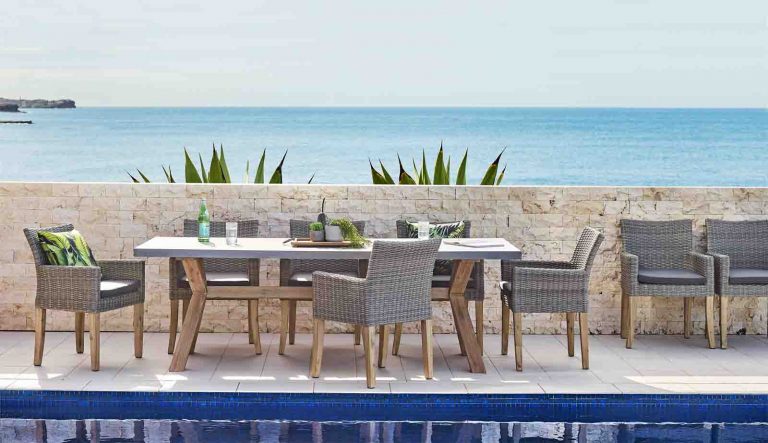
What are the advantages of lightweight aluminum garden furniture?
Lightweight aluminum garden furniture offers several advantages due to its unique properties. Here are some of the benefits of choosing lightweight aluminum garden furniture:
1. Easy Portability:
One of the primary advantages of lightweight aluminum garden furniture is its ease of portability. Aluminum is significantly lighter than materials like iron or steel, making it easier to move and rearrange your furniture as needed. Whether you want to change the seating arrangement, relocate the furniture to a different spot in the garden, or store it during certain seasons, the lightweight nature of aluminum makes these tasks much more convenient.
2. Maneuverability:
Due to its lightweight nature, aluminum garden furniture is highly maneuverable. You can easily carry and position the furniture without straining yourself. This aspect is particularly beneficial if you frequently need to move the furniture around to accommodate different occasions or activities in your outdoor space.
3. User-Friendly Assembly:
Lightweight aluminum furniture is often designed with user-friendly assembly in mind. The lighter weight makes it easier for individuals to handle and assemble the furniture pieces without requiring excessive strength or assistance. This aspect can be particularly useful when setting up or disassembling the furniture during different seasons or when moving to a new location.
4. Versatile Placement:
Because of its lightweight nature, aluminum garden furniture can be placed on various surfaces without causing damage or leaving significant imprints. Whether you have a patio, deck, grassy area, or uneven terrain, lightweight aluminum furniture can be easily positioned without the need for extensive modifications or reinforcements.
5. Efficient Storage:
Lightweight aluminum garden furniture is highly suitable for storage purposes. When not in use or during the off-season, you can stack, fold, or disassemble the furniture pieces and store them in a compact manner. This efficient storage capability is especially valuable if you have limited storage space.
6. Ease of Maintenance:
Another advantage of lightweight aluminum garden furniture is the ease of maintenance. Aluminum is resistant to rust, which eliminates the need for regular treatments or coatings to prevent corrosion. Additionally, cleaning lightweight aluminum furniture is relatively simple and can often be accomplished with mild soap and water or a gentle household cleaner.
In summary, the advantages of lightweight aluminum garden furniture include easy portability, maneuverability, user-friendly assembly, versatile placement options, efficient storage, and ease of maintenance. These features make lightweight aluminum an attractive choice for outdoor furniture, allowing you to enjoy your outdoor space with convenience and flexibility.
editor by CX 2023-10-19
China best Outdoor Furniture Rope Weaving Garden Sofa Sets wholesaler
Product Description
PRODUCT DECRIPTION
Outdoor Rope sofa set
| Product category | Garden set |
| Certificate | SGS |
| Feature | fashion design, weather resistant, easy to clean |
| Frame | ALUMINUM |
| Application | Bistro,Baloncy,Cafe,Garden, hotel, Pool side, resort, balcony, Home, etc. |
| Advantage | Popular design, Good workmanship, Competitive price,Quality control, In-time deliver, Good Service |
| Payment terms | T/T, and L/C at sight |
| Warranty | 3 years |
Other Rope(3 years warranty)
PRODUCT RANGE
1. Rattan/Wicker: sofa, chair, dining set, table, sun lounger, daybed, other appliance
2. Aluminum: sofa, chair, dining set, table, sun lounger, daybed, other appliance, umbrella
3. Stainless steel: sofa, chair, dining set, table, sun lounger, daybed, other appliance, umbrella
4. Teak wood: sofa, chair, dining set, table, sun lounger, daybed, other appliance
5. Poly wood: dining set, sun lounger, sofa etc.
OUR SEVERICE
1. we design and produce fashion, comfortable furniture for our client
2. we accept OEM orders, which means you design and we produce the products
3. we accept Sample order and small trial order for new customer to test the quality
PAYMENT TERM
1. we accept T/T and L/C at sight for payment.
DELIVER TIME
25 to 35 days after confirm all details and down payment
MATERIALS
Product Detail
PACKAGING
1. Packing Materials: Bubble wrap, stretch wrap, corrugated paper.
2. The blank space can be filled with hardboard to protect it in transportation .
3. Your packing requirements also welcomed.
ABOUT US
· 10 Years experience in outdoor furniture manufacturing.
· 200 experience worker with good workmanship
· Availability to produce all kinds of outdoor furniture
· Located in HangZhou city, Furniture Business center in China
· 15 thousand square meters factory
· durability and longevity in all climates products
FAQ
1. Q: What is the MOQ? Can I place a trial order?
A: The MOQ is 20 sets. Sample orders are also acceptable. Please contact us for more information.
2. Q: What are the shapes of rattan in your company?
A: They are flat, round or half -moon shaped.
3. Q: What is the density of the fabric?
A: Normally the fabric density are 180, 220 or 280 gram/square meter. If you have special requests for fabric, please send us a message.
4. Q: What can be customized?
A: Customization service covers rattan color, rattan size, rattan shape, product size, fabric color and density, cushion size, glass color, packing and so on.
5. Q. Where can the furniture be used?
A: It can be used in places like gardens, patios, backyards, beach, restaurants, hotels, resorts and coffee shops and even indoors.
| Material: | Metal |
|---|---|
| Style: | European |
| Usage: | Bar, Hotel, Dining Room, Outdoor, Outdoor, Garden, Patio Terrace, Balcony |
| Customization: |
Available
|
|
|---|
.shipping-cost-tm .tm-status-off{background: none;padding:0;color: #1470cc}
| Shipping Cost:
Estimated freight per unit. |
about shipping cost and estimated delivery time. |
|---|
| Payment Method: |
|
|---|---|
|
Initial Payment Full Payment |
| Currency: | US$ |
|---|
| Return&refunds: | You can apply for a refund up to 30 days after receipt of the products. |
|---|
How do I choose the best outdoor furniture for a beachfront property?
Choosing the best outdoor furniture for a beachfront property requires considering several factors to ensure durability, functionality, and aesthetic appeal. Here are some tips to help you make the right choice:
1. Material Selection:
Opt for materials that can withstand the harsh beachfront environment, including exposure to salt, sun, and moisture. Good options for beachfront properties include teak, aluminum, stainless steel, synthetic wicker, and outdoor-grade fabrics designed to resist fading and mildew.
2. Rust and Corrosion Resistance:
Given the proximity to saltwater, it’s essential to choose outdoor furniture that is resistant to rust and corrosion. Look for furniture with rust-resistant coatings, such as powder coating or stainless steel construction, to ensure longevity in the beachfront setting.
3. Easy Maintenance:
Consider the maintenance requirements of the outdoor furniture. Beachfront properties can be prone to sand, salt, and wind-blown debris. Opt for furniture that is easy to clean and maintain, such as materials that can be wiped down with a damp cloth or hosed off.
4. UV Resistance:
Ensure that the outdoor furniture is designed to withstand prolonged exposure to the sun’s UV rays. Look for materials and fabrics that have UV-resistant properties to prevent fading, discoloration, and deterioration over time.
5. Comfort and Functionality:
Choose outdoor furniture that offers comfort and functionality. Consider factors such as cushion thickness, ergonomic design, adjustable features, and the ability to stack or fold for easy storage. Comfortable seating and lounging options will enhance the enjoyment of your beachfront property.
6. Wind Resistance:
Given the potential for strong coastal winds, select outdoor furniture that is sturdy and wind-resistant. Look for furniture with heavy-duty construction, sturdy frames, and the ability to secure or anchor the furniture to prevent tipping or damage during gusty conditions.
7. Design and Aesthetics:
Consider the overall design and aesthetics of the outdoor furniture to ensure it complements the beachfront property. Choose styles and colors that align with your personal preferences and the surrounding landscape. Coastal-inspired designs or neutral tones often work well in beachfront settings.
8. Test for Stability:
Prioritize stability when selecting outdoor furniture for a beachfront property. Test the furniture for stability and sturdiness before making a purchase. Sit on the chairs, lounge on the loungers, and check for any wobbling or instability that could be problematic in windy conditions.
9. Consider Storage Options:
Think about storage options for your outdoor furniture during seasons of non-use or inclement weather. Consider whether you have adequate storage space or if the furniture is easily stackable or foldable for compact storage.
By considering these factors, you can choose outdoor furniture that is well-suited to the demands of a beachfront property, providing both durability and comfort for years to come.
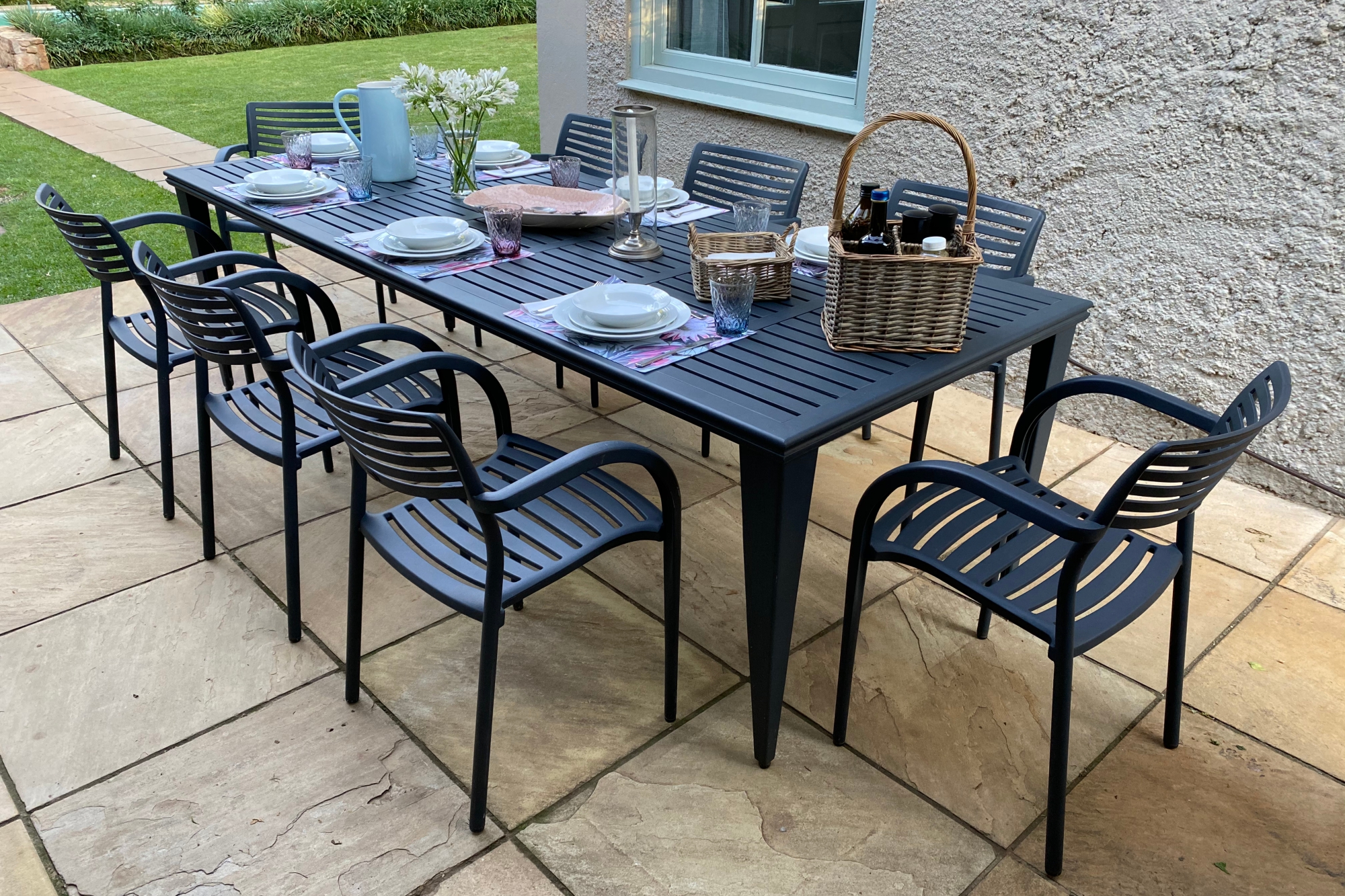
How do I choose the right size outdoor furniture for my space?
Choosing the right size outdoor furniture is crucial to ensure a comfortable and functional outdoor living space. Here are some steps to help you select the appropriate size:
1. Assess Your Space:
Measure the available space in your outdoor area to determine the dimensions you have to work with. Consider the overall layout, including any architectural features, existing structures, and natural elements like trees or slopes that may impact the placement and size of your furniture.
2. Determine the Purpose:
Decide how you plan to use your outdoor space. Will it be primarily for dining, lounging, or a combination of both? This will help determine the type and size of furniture you need.
3. Consider Traffic Flow:
Allow adequate space for people to move around and navigate comfortably. Consider pathways, entrances, and exits to ensure there is enough room for easy movement without feeling cramped.
4. Choose Appropriate Furniture Types:
Based on your space and intended use, select the types of outdoor furniture that best fit your needs. Common options include dining sets, lounge chairs, sofas, benches, and sectional seating arrangements.
5. Take Seat and Table Heights into Account:
Ensure that the seat height of chairs or sofas aligns with the table height for dining sets. This will ensure a comfortable and ergonomic seating arrangement.
6. Allow for Clearance:
Provide ample space around the furniture for easy movement and to avoid feeling cramped. Allow around 18-24 inches of clearance behind chairs for easy access and movement.
7. Consider Scale and Proportion:
Choose furniture that is proportionate to the size of your outdoor space. Oversized furniture can make a small space feel crowded, while undersized furniture may look out of place in a large area.
8. Test and Visualize:
If possible, arrange a mock layout using cardboard or tape to visualize how the furniture will fit in your space. This can help you assess the scale, proportion, and flow before making a final decision.
9. Read Product Specifications:
Pay attention to the dimensions provided by furniture manufacturers. Check the measurements of each piece to ensure it will fit comfortably in your space.
By carefully considering the size, layout, and purpose of your outdoor area, you can choose furniture that fits well and maximizes the functionality and aesthetics of your space.

Where can I find affordable outdoor furniture sets for my patio or deck?
If you’re looking for affordable outdoor furniture sets for your patio or deck, there are several places where you can find good deals. Here are some options to consider:
1. Online Retailers: Online retailers offer a wide range of options and often provide competitive prices. Websites such as Amazon, Wayfair, Overstock, and Walmart have dedicated sections for outdoor furniture where you can find affordable sets. Take advantage of online sales, discounts, and customer reviews to make informed purchasing decisions.
2. Local Furniture Stores: Check your local furniture stores or home improvement stores for outdoor furniture sales and clearance events. These stores often offer seasonal discounts or promotions, especially during the off-season. Visiting physical stores allows you to see and test the furniture in person before making a purchase.
3. Discount Stores: Discount stores, such as IKEA, Target, or Big Lots, frequently offer affordable outdoor furniture sets. These stores often have budget-friendly options without compromising on quality. Keep an eye on their outdoor furniture sections or sign up for their newsletters to stay informed about sales and special offers.
4. Secondhand Marketplaces: Consider exploring secondhand marketplaces like Craigslist, Facebook Marketplace, or local classified ads. Many people sell their used outdoor furniture at affordable prices, and you may find great deals on sets that are still in good condition. Be sure to inspect the furniture carefully and negotiate the price if necessary.
5. Garage Sales and Estate Sales: Garage sales and estate sales can be treasure troves for finding affordable outdoor furniture. Keep an eye out for local listings or signs in your neighborhood. While the selection may vary, you might stumble upon high-quality furniture sets at significantly discounted prices.
6. Outdoor Furniture Outlets: Outdoor furniture outlets or clearance centers often offer discounted prices on last season’s models or discontinued items. These outlets can be a great option for finding affordable outdoor furniture sets that still meet your needs and preferences.
Remember to compare prices, quality, and reviews before making a purchase. Additionally, consider the durability, materials, and maintenance requirements of the furniture to ensure you’re getting a good value for your money.
editor by CX 2023-10-19
China best Top Quality Outdoor Garden Rattan Furniture Outside Table and Chair Dining Set with Good quality
Product Description
Product Parameters
| Table Size | 75*75*70CM |
| Chair Size | 62*60*76CM |
Why Choose Us?
1.Frame Constructure: Sturdy,strong and light weight with good powder coating aluminum frame, no rust occurred,the surface is treated with powder coated and oxidation and sensational fastness;
2.Rattan Material: Excellent Quality with UV-resistace, water-proof and fire-proof;
3.Color and size are optional,it also can customized products according to the design and requirement of customers;
4.Cushion: 28-30mm density regular foam,quick dry foam;
5.Comfortable with Ergonomic Design which specialized in Outdoor space and indoor house;
6.Excellent Handweaving Technique;
7.Easy to put in the container so it can save the shipment cost;
8.High Quality with competitive price and timely delivery.
Related products
PE Rattan Board /Fabric Color
Company Profile
Welcome to Top Glory Furniture, your reliable partner in China. Our company are located in HangZhou, ZheJiang , China. Our main products: Garden furniture, Patio furniture, Outdoor furniture, wicker furniture, PE rattan furniture, Sythetic Furniture, Stainless steel furniture, PP outdoor sofa and chairs, leather sofa, fabric sofa.
HangZhou XIHU (WEST LAKE) DIS. TOP GLORY have founded since 2008. More than 9 years in furniture exporting experirences. We are professional in furniture business and we will become your reliable patner in China. More than 90% of our goods and services are delivery to Europe, America and Australia. We are strict in the quality of the products and have achieved the SGS authentication.
People in TOP GLORY all believe that Today′s quality is Tomorrow′s market.
-Hight quality PE rattan(Viro rattan/Rehau Rattan) outdoor fabric cushions(Sunflower) strong aluminium frame, import top leather from Brasil and Italy.
-Hight quality teak wood: Import from Myanmar
-professional and skillful hand wicker outdoor furniture
-Hight and strictly in quality control, quality is our life, quality is our clients′ benefit and profit.
-Factory Design/ Research and Development: 20 workers
-Factory Employee: 300peoples
-Factory Showroom: 10, 000 sqm
Welcome to TOP GLORY furniture!
Our Factory
Our Advantages
1: Green Product and pro-environment furniture, weatherproof and colorfast
2. UV resistant PE rattan and aluminum frame with soft cushion
3. Excellent Handweaving Technique with fashion design
4: High Quality with competitive price and timely delivery.
Our Service
We care about the future of our business, with high quality products and perfect service base on our efficient management and professional work teams
We also accept OEM order
Thank you for visting our website, we warmly welcome you to send us any questions or inquiries that you may have. we are sincerely looking CHINAMFG to hear from you.
FAQ
1.Production Lead Time:
1. High Season (September to April): 30-40 days .
2. Low Season (May to August): around 18-25 days .
3. We will come up with a detailed production schedule for each order and this schedule will be a platform for onward communication between customers and us.
2.payment item:
1. 30% down payment before production and balance before shipment.
2. We can offer different pricing of FOB, CIF and C&F.
3. Cash, Ali Express Escrow, Paypal, West Union, Money Gram, Bank Transfer and L/C are all available.
| Material: | Rattan |
|---|---|
| Style: | Modern |
| Usage: | Beach, Park, Restaurant, Cafe |
| Kind: | New |
| Folded: | Unfolded |
| Color: | Customized |
| Customization: |
Available
|
|
|---|
What are the advantages of using teak wood for garden furniture?
Teak wood is a popular choice for garden furniture due to its numerous advantages. Here are some key advantages of using teak wood for your garden furniture:
1. Natural Durability:
Teak wood is naturally durable and known for its exceptional strength and resistance to outdoor elements. It contains natural oils that act as a protective barrier against moisture, pests, and rot. These properties make teak wood highly suitable for outdoor use, as it can withstand exposure to rain, sun, and fluctuating temperatures.
2. Weather Resistance:
Teak wood’s natural oils also contribute to its excellent weather resistance. It is highly resistant to warping, cracking, and splitting, even when exposed to harsh weather conditions. This makes teak wood an ideal choice for garden furniture that needs to withstand the elements year-round.
3. Low Maintenance:
Teak wood requires minimal maintenance compared to other types of wood. Its natural oils help preserve the wood’s integrity and protect it from moisture damage, reducing the need for frequent sealing or staining. Simply cleaning the furniture periodically with mild soap and water is usually sufficient to maintain its appearance.
4. Longevity:
Teak wood is renowned for its longevity. When properly cared for, teak furniture can last for many years, often outlasting other types of outdoor furniture materials. Its durability and resistance to decay make it a long-term investment for your garden.
5. Aesthetic Appeal:
Teak wood has a beautiful natural golden hue that weathers to an attractive silver-gray patina over time. Many people appreciate the warm and timeless appearance of teak furniture, which can enhance the aesthetic appeal of any garden or outdoor space.
6. Versatility:
Teak wood’s versatility is another advantage. It can be easily crafted into various furniture designs, ranging from classic to contemporary styles. Whether you prefer traditional or modern aesthetics, teak furniture can complement a wide range of outdoor settings and personal preferences.
7. Sustainable and Eco-Friendly:
Teak wood is often sourced from sustainable plantations and is considered an eco-friendly choice for furniture. Well-managed teak plantations ensure the replenishment of trees and promote responsible forestry practices.
8. Investment Value:
Teak furniture is often regarded as an investment due to its durability and longevity. While the initial cost of teak furniture may be higher compared to some other materials, its longevity and minimal maintenance requirements can make it a cost-effective choice in the long run.
These advantages make teak wood a highly desirable option for garden furniture. Its natural durability, weather resistance, low maintenance, longevity, aesthetic appeal, versatility, sustainability, and investment value combine to create a compelling choice for outdoor furniture that can withstand the test of time.
How do I revive old or worn-out garden furniture to extend its lifespan?
If you have old or worn-out garden furniture, there are several steps you can take to revive it and extend its lifespan. By giving your furniture some attention and care, you can restore its appearance, functionality, and durability. Here’s how you can revive old or worn-out garden furniture:
1. Clean the Furniture:
Start by thoroughly cleaning the furniture to remove dirt, grime, and any existing coatings. Use a mild detergent or a specialized cleaner suitable for the furniture material. Scrub the surfaces with a soft brush or sponge, and rinse with water. Cleaning the furniture will help reveal its true condition and prepare it for further restoration steps.
2. Repair Damaged Parts:
Inspect the furniture for any damaged or broken parts, such as loose joints, cracked wood, or rusted metal. Repair or replace these parts as necessary. Tighten screws, apply wood glue to loose joints, and use appropriate repair techniques for different materials. This step will help ensure the structural integrity of the furniture and prevent further damage.
3. Sand the Surfaces:
If the furniture has a worn or rough surface, sanding can help smooth it out and prepare it for refinishing. Use sandpaper with an appropriate grit for the furniture material. Sand in the direction of the wood grain or follow the manufacturer’s recommendations for other materials. Sanding will remove imperfections, old finishes, and provide a clean surface for the next steps.
4. Apply a Fresh Finish:
Consider applying a fresh finish to protect and enhance the appearance of the furniture. The type of finish will depend on the furniture material. For wooden furniture, options include varnish, paint, or stain. Metal furniture may require a rust-resistant primer and paint. Follow the manufacturer’s instructions and apply multiple coats for better durability.
5. Replace or Reupholster Cushions:
If your garden furniture has cushions that are worn-out or faded, consider replacing or reupholstering them. Look for outdoor-grade fabric that is resistant to UV rays and moisture. Measure the dimensions of the cushions and sew or have them professionally reupholstered. This will give your furniture a fresh and comfortable look.
6. Apply Protective Coatings:
To further extend the lifespan of your furniture, consider applying protective coatings. For wooden furniture, use a wood sealer or exterior-grade varnish to protect it from moisture and UV damage. Metal furniture can benefit from a clear coat or rust-resistant spray to prevent corrosion. These coatings will help maintain the appearance and integrity of the furniture.
7. Store Properly:
When not in use, store your garden furniture properly to protect it from harsh weather conditions. If possible, cover the furniture with a waterproof cover or move it to a covered area. Storing furniture indoors during the winter or extreme weather can significantly extend its lifespan.
8. Regular Maintenance:
Maintain your revived furniture by regularly cleaning it and performing minor repairs as needed. Keep an eye out for signs of wear or damage and address them promptly. By maintaining your furniture, you can ensure its longevity and enjoy it for years to come.
By following these steps, you can breathe new life into your old or worn-out garden furniture and extend its lifespan, saving both money and resources in the process.
What are the best materials for garden furniture that can withstand outdoor conditions?
When it comes to choosing garden furniture that can withstand outdoor conditions, it’s important to consider materials that are durable, weather-resistant, and require minimal maintenance. Here are some of the best materials for garden furniture:
1. Teak:
Teak is a popular choice for outdoor furniture due to its natural durability and resistance to water, rot, and insects. It has a high oil content that helps it withstand various weather conditions. Teak furniture can last for decades with proper care and maintenance.
2. Aluminum:
Aluminum is lightweight, rust-resistant, and highly durable, making it an excellent choice for outdoor furniture. It is easy to clean and requires minimal maintenance. Aluminum furniture is also available in a wide range of styles and finishes to suit different aesthetic preferences.
3. Wrought Iron:
Wrought iron is known for its strength and durability. It can withstand harsh weather conditions and is resistant to rust and corrosion. Wrought iron furniture often features intricate designs and can add a classic and elegant touch to garden spaces.
4. Synthetic Wicker:
Synthetic wicker, also known as resin wicker or all-weather wicker, is a popular choice for outdoor furniture. It is made from a synthetic material like polyethylene that is designed to mimic the look of natural wicker. Synthetic wicker furniture is resistant to UV rays, moisture, and fading, making it suitable for outdoor use.
5. Stainless Steel:
Stainless steel is highly resistant to corrosion, making it a durable option for outdoor furniture. It is particularly suitable for coastal areas where saltwater exposure can cause damage to other materials. Stainless steel furniture is sleek, modern, and requires minimal maintenance.
6. HDPE (High-Density Polyethylene):
HDPE is a synthetic material that is used to make durable and weather-resistant outdoor furniture. It is resistant to moisture, rot, and insects. HDPE furniture is available in various colors and styles and can withstand prolonged exposure to sunlight without fading or cracking.
7. Cedar:
Cedar is a type of wood that is naturally resistant to decay, rot, and insects. It has a pleasant aroma and is known for its durability. Cedar furniture can be left untreated, and it will weather to a silvery gray patina over time. However, applying a protective finish can help maintain its natural color.
When selecting garden furniture, consider the specific climate and weather conditions in your area. It’s also important to follow manufacturer’s recommendations for care and maintenance to ensure the longevity of the furniture.
editor by CX 2023-10-19
China Hot selling Engine Parts Isc Isl Qsc Qsl Air Compressor 3949718 3969110 3943980 3944525 wholesaler
Product Description
Product Description:
Engine parts ISC ISL QSC QSL Air compressor 3949718 3969110 3943980 3944525
1:Model No.: ISC ISL QSC QSL
2:Part No.: 3949718 3969110 3943980 3944525
3:High quality
4:Original Holset Package
5:Quick delivery
6:One year warranty
7:Best aftersale service
8.Professional inspection equipment
About Delivery:
1, International Express.Such as DHL, UPS, EMS, ARAMEX and so on.Usually after 5 to 7 days you can get the packages.
2, Air Transportatio:.For goods above 100kg, it is a economical choice for the customers.
3, International Marine Container.
Service Commitment
1, We will send the goods as fast as we can to save your time..
2, All the pictures on our website are real images of the part itself, what you see is what you get.
3, Goods will Be packed safe & carefully
| Certification: | CCC, ISO9001, TS16949 |
|---|---|
| Standard Component: | Standard Component |
| Technics: | Casting |
| Material: | Rubber |
| Type: | Air Compressor |
| Warranty: | 5-7 Months |
| Customization: |
Available
|
|
|---|
.webp)
How are air compressors employed in the petrochemical industry?
Air compressors play a vital role in the petrochemical industry, where they are employed for various applications that require compressed air. The petrochemical industry encompasses the production of chemicals and products derived from petroleum and natural gas. Here’s an overview of how air compressors are utilized in the petrochemical industry:
1. Instrumentation and Control Systems:
Air compressors are used to power pneumatic instrumentation and control systems in petrochemical plants. These systems rely on compressed air to operate control valves, actuators, and other pneumatic devices that regulate processes such as flow control, pressure control, and temperature control. Compressed air provides a reliable and clean source of energy for these critical control mechanisms.
2. Pneumatic Tools and Equipment:
Petrochemical plants often utilize pneumatic tools and equipment for various tasks such as maintenance, repair, and construction activities. Air compressors supply the necessary compressed air to power these tools, including pneumatic drills, impact wrenches, grinders, sanders, and painting equipment. The versatility and convenience of compressed air make it an ideal energy source for a wide range of pneumatic tools used in the industry.
3. Process Air and Gas Supply:
Petrochemical processes often require a supply of compressed air and gases for specific applications. Air compressors are employed to generate compressed air for processes such as oxidation, combustion, and aeration. They may also be used to compress gases like nitrogen, hydrogen, and oxygen, which are utilized in various petrochemical reactions and treatment processes.
4. Cooling and Ventilation:
Petrochemical plants require adequate cooling and ventilation systems to maintain optimal operating conditions and ensure the safety of personnel. Air compressors are used to power cooling fans, blowers, and air circulation systems that help maintain the desired temperature, remove heat generated by equipment, and provide ventilation in critical areas.
5. Nitrogen Generation:
Nitrogen is widely used in the petrochemical industry for applications such as blanketing, purging, and inerting. Air compressors are utilized in nitrogen generation systems, where they compress atmospheric air, which is then passed through a nitrogen separation process to produce high-purity nitrogen gas. This nitrogen is used for various purposes, including preventing the formation of explosive mixtures, protecting sensitive equipment, and maintaining the integrity of stored products.
6. Instrument Air:
Instrument air is essential for operating pneumatic instruments, analyzers, and control devices throughout the petrochemical plant. Air compressors supply compressed air that is treated and conditioned to meet the stringent requirements of instrument air quality standards. Instrument air is used for tasks such as pneumatic conveying, pneumatic actuators, and calibration of instruments.
By employing air compressors in the petrochemical industry, operators can ensure reliable and efficient operation of pneumatic systems, power various tools and equipment, support critical processes, and maintain safe and controlled environments.
.webp)
What safety precautions should be taken when working with compressed air?
Working with compressed air requires adherence to certain safety precautions to prevent accidents and ensure the well-being of individuals involved. Here are some important safety measures to consider:
1. Personal Protective Equipment (PPE):
Wear appropriate PPE, including safety goggles or a face shield to protect eyes from flying debris or particles, hearing protection to reduce noise exposure, and gloves to safeguard hands from potential hazards.
2. Compressed Air Storage:
Avoid storing compressed air in containers that are not designed for this purpose, such as soda bottles or makeshift containers. Use approved and properly labeled air storage tanks or cylinders that can handle the pressure and are regularly inspected and maintained.
3. Pressure Regulation:
Ensure that the air pressure is regulated to a safe level suitable for the equipment and tools being used. High-pressure air streams can cause serious injuries, so it is important to follow the manufacturer’s recommendations and never exceed the maximum allowable pressure.
4. Air Hose Inspection:
Regularly inspect air hoses for signs of damage, such as cuts, abrasions, or leaks. Replace damaged hoses immediately to prevent potential accidents or loss of pressure.
5. Air Blowguns:
Exercise caution when using air blowguns. Never direct compressed air towards yourself or others, as it can cause eye injuries, hearing damage, or dislodge particles that may be harmful if inhaled. Always point blowguns away from people or any sensitive equipment or materials.
6. Air Tool Safety:
Follow proper operating procedures for pneumatic tools. Ensure that tools are in good working condition, and inspect them before each use. Use the appropriate accessories, such as safety guards or shields, to prevent accidental contact with moving parts.
7. Air Compressor Maintenance:
Maintain air compressors according to the manufacturer’s guidelines. Regularly check for leaks, clean or replace filters, and drain moisture from the system. Proper maintenance ensures the safe and efficient operation of the compressor.
8. Training and Education:
Provide adequate training and education to individuals working with compressed air. Ensure they understand the potential hazards, safe operating procedures, and emergency protocols. Encourage open communication regarding safety concerns and implement a culture of safety in the workplace.
9. Lockout/Tagout:
When performing maintenance or repairs on compressed air systems, follow lockout/tagout procedures to isolate the equipment from energy sources and prevent accidental startup. This ensures the safety of the individuals working on the system.
10. Proper Ventilation:
Ensure proper ventilation in enclosed areas where compressed air is used. Compressed air can displace oxygen, leading to a potential risk of asphyxiation. Adequate ventilation helps maintain a safe breathing environment.
By adhering to these safety precautions, individuals can minimize the risks associated with working with compressed air and create a safer work environment.
.webp)
Are there portable air compressors available for home use?
Yes, there are portable air compressors specifically designed for home use. These portable models offer convenience, versatility, and ease of use for various tasks around the house. Here are some key points about portable air compressors for home use:
1. Compact and Lightweight: Portable air compressors are typically compact and lightweight, making them easy to transport and store. They are designed with portability in mind, allowing homeowners to move them around the house or take them to different locations as needed.
2. Electric-Powered: Most portable air compressors for home use are electric-powered. They can be plugged into a standard household electrical outlet, eliminating the need for gasoline or other fuel sources. This makes them suitable for indoor use without concerns about emissions or ventilation.
3. Versatile Applications: Portable air compressors can be used for a wide range of home applications. They are commonly used for inflating tires, sports equipment, and inflatable toys. They are also handy for operating pneumatic tools such as nail guns, staplers, and paint sprayers. Additionally, portable air compressors can be used for cleaning tasks, powering airbrushes, and other light-duty tasks around the house.
4. Pressure and Capacity: Portable air compressors for home use typically have lower pressure and capacity ratings compared to larger industrial or commercial models. They are designed to meet the needs of common household tasks rather than heavy-duty applications. The pressure and capacity of these compressors are usually sufficient for most home users.
5. Oil-Free Operation: Many portable air compressors for home use feature oil-free operation. This means they do not require regular oil changes or maintenance, making them more user-friendly and hassle-free for homeowners.
6. Noise Level: Portable air compressors designed for home use often prioritize low noise levels. They are engineered to operate quietly, reducing noise disturbances in residential environments.
7. Cost: Portable air compressors for home use are generally more affordable compared to larger, industrial-grade compressors. They offer a cost-effective solution for homeowners who require occasional or light-duty compressed air applications.
When considering a portable air compressor for home use, it’s important to assess your specific needs and tasks. Determine the required pressure, capacity, and features that align with your intended applications. Additionally, consider factors such as portability, noise level, and budget to choose a suitable model that meets your requirements.
Overall, portable air compressors provide a practical and accessible compressed air solution for homeowners, allowing them to tackle a variety of tasks efficiently and conveniently within a home setting.


editor by CX 2023-10-18
China Standard Air Compressor Oil Free 0100341 3-Gallon/12 Liters small air compressor
Product Description
The Briggs and Stratton 3 gallon /12 liters air compressor is lightweight and portable for taking on quick jobs. Perfect for brad nailers, staplers, and inflation jobs. The oil-free pump means little-to-no maintenance and extended reliability to get the job done over and over again. Includes a 1-year warranty. Extended warranty available.
Technical Specification
| Tank Size | 3 gallon /12 litres |
| Tank shape Vertical / Hotdog / Pancake / Twin stack / Parallel / Detachable / Abnormal | Hotdog |
| Running HP | 1/3 HP |
| Cut-in/Cut-off (PSI) | 70PSI-100PSI |
| CFM@40psi | 0.7 |
| CFM@90psi | 0.5 |
| Motor type | DC motor |
| Oil free/lubricate | Oil-free |
| Pressure gauge | 2×1.5” |
| Cord length | 6’/1.8m |
| Wheels | N/A |
| Handle type | Flip up |
| Air filter | N/A |
| Drain valve | Regular |
| Noise level dB(A) 2m | ≤80 dB(A) |
Features
- 1/3hp motor Oil free pump
- 100 max psi
- 0.7CFM@40PSI
- 0.5CFM@90PSI
- Flip-up handle for easy carrying and storage.
- Suction cup foot mountskeep the air compressor stable during operation.
- Large regulator knob and quick connect coupler for easy operation.
Specifications
- Tank size : 3 gallon/12 litres
- Max PSI : 100
- CFM @ 40 PSI : 0.7
- CFM @ 90 PSI :0.5
- Horsepower : 1/3
- Tank Style : Horizontal
- Pump : Oil free
- Motor : Universal
- Product dimension: 18.5×7.1×14 inch/470×180×355mm
- Product weight : 20.95lbs/9.5kg
Accessories
- 6379-00, 6390-00
Packaging Info
- Package dimensions (L x W x H): 19.3×9.1×14.8 inch/490x230x375 mm
- Package weight: 24.7lbs/11.2kg
| Lubrication Style: | Oil-free |
|---|---|
| Cooling System: | Air Cooling |
| Cylinder Arrangement: | Balanced Opposed Arrangement |
| Cylinder Position: | Vertical |
| Structure Type: | Semi-Closed Type |
| Compress Level: | Single-Stage |
| Samples: |
US$ 60/Piece
1 Piece(Min.Order) | |
|---|
| Customization: |
Available
|
|
|---|
.webp)
What is the impact of humidity on compressed air quality?
Humidity can have a significant impact on the quality of compressed air. Compressed air systems often draw in ambient air, which contains moisture in the form of water vapor. When this air is compressed, the moisture becomes concentrated, leading to potential issues in the compressed air. Here’s an overview of the impact of humidity on compressed air quality:
1. Corrosion:
High humidity in compressed air can contribute to corrosion within the compressed air system. The moisture in the air can react with metal surfaces, leading to rust and corrosion in pipes, tanks, valves, and other components. Corrosion not only weakens the structural integrity of the system but also introduces contaminants into the compressed air, compromising its quality and potentially damaging downstream equipment.
2. Contaminant Carryover:
Humidity in compressed air can cause carryover of contaminants. Water droplets formed due to condensation can carry particulates, oil, and other impurities present in the air. These contaminants can then be transported along with the compressed air, leading to fouling of filters, clogging of pipelines, and potential damage to pneumatic tools, machinery, and processes.
3. Decreased Efficiency of Pneumatic Systems:
Excessive moisture in compressed air can reduce the efficiency of pneumatic systems. Water droplets can obstruct or block the flow of air, leading to decreased performance of pneumatic tools and equipment. Moisture can also cause problems in control valves, actuators, and other pneumatic devices, affecting their responsiveness and accuracy.
4. Product Contamination:
In industries where compressed air comes into direct contact with products or processes, high humidity can result in product contamination. Moisture in compressed air can mix with sensitive products, leading to quality issues, spoilage, or even health hazards in industries such as food and beverage, pharmaceuticals, and electronics manufacturing.
5. Increased Maintenance Requirements:
Humidity in compressed air can increase the maintenance requirements of a compressed air system. Moisture can accumulate in filters, separators, and other air treatment components, necessitating frequent replacement or cleaning. Excessive moisture can also lead to the growth of bacteria, fungus, and mold within the system, requiring additional cleaning and maintenance efforts.
6. Adverse Effects on Instrumentation:
Humidity can adversely affect instrumentation and control systems that rely on compressed air. Moisture can disrupt the accuracy and reliability of pressure sensors, flow meters, and other pneumatic instruments, leading to incorrect measurements and control signals.
To mitigate the impact of humidity on compressed air quality, various air treatment equipment is employed, including air dryers, moisture separators, and filters. These devices help remove moisture from the compressed air, ensuring that the air supplied is dry and of high quality for the intended applications.
.webp)
How do you troubleshoot common air compressor problems?
Troubleshooting common air compressor problems can help identify and resolve issues that may affect the performance and functionality of the compressor. Here are some steps to troubleshoot common air compressor problems:
1. No Power:
- Check the power source and ensure the compressor is properly plugged in.
- Inspect the circuit breaker or fuse box to ensure it hasn’t tripped or blown.
- Verify that the compressor’s power switch or control panel is turned on.
2. Low Air Pressure:
- Check the air pressure gauge on the compressor. If the pressure is below the desired level, the compressor might not be building up enough pressure.
- Inspect for air leaks in the system. Leaks can cause a drop in pressure. Listen for hissing sounds or use a soapy water solution to identify the location of leaks.
- Ensure the compressor’s intake filter is clean and not clogged, as this can restrict airflow and reduce pressure.
3. Excessive Noise or Vibration:
- Inspect the compressor’s mounting and foundation to ensure it is secure and stable. Loose mounts can cause excessive noise and vibration.
- Check for loose or damaged components, such as belts, pulleys, or motor mounts. Tighten or replace as necessary.
- Verify that the compressor’s cooling system, such as the fan or fins, is clean and free from obstructions. Overheating can lead to increased noise and vibration.
4. Air Leaks:
- Inspect all connections, valves, fittings, and hoses for leaks. Tighten or replace any loose or damaged components.
- Apply a soapy water solution to suspected areas and look for bubbles. Bubbles indicate air leaks.
- Consider using thread sealant or Teflon tape on threaded connections to ensure a proper seal.
5. Excessive Moisture in Compressed Air:
- Check the compressor’s drain valve and ensure it is functioning properly. Open the valve to release any accumulated moisture.
- Inspect and clean the compressor’s moisture separator or air dryer, if equipped.
- Consider installing additional filtration or drying equipment to remove moisture from the compressed air system.
6. Motor Overheating:
- Ensure the compressor’s cooling system is clean and unobstructed.
- Check the motor’s air intake vents and clean any dust or debris that may be blocking airflow.
- Verify that the compressor is not being operated in an excessively hot environment.
- Check the motor’s lubrication levels and ensure they are within the manufacturer’s recommended range.
- Consider using a thermal overload protector to prevent the motor from overheating.
If troubleshooting these common problems does not resolve the issue, it may be necessary to consult the manufacturer’s manual or seek assistance from a qualified technician. Regular maintenance, such as cleaning, lubrication, and inspection, can also help prevent common problems and ensure the optimal performance of the air compressor.
.webp)
How do oil-lubricated and oil-free air compressors differ?
Oil-lubricated and oil-free air compressors differ in terms of their lubrication systems and the presence of oil in their operation. Here are the key differences:
Oil-Lubricated Air Compressors:
1. Lubrication: Oil-lubricated air compressors use oil for lubricating the moving parts, such as pistons, cylinders, and bearings. The oil forms a protective film that reduces friction and wear, enhancing the compressor’s efficiency and lifespan.
2. Performance: Oil-lubricated compressors are known for their smooth and quiet operation. The oil lubrication helps reduce noise levels and vibration, resulting in a more comfortable working environment.
3. Maintenance: These compressors require regular oil changes and maintenance to ensure the proper functioning of the lubrication system. The oil filter may need replacement, and the oil level should be regularly checked and topped up.
4. Applications: Oil-lubricated compressors are commonly used in applications that demand high air quality and continuous operation, such as industrial settings, workshops, and manufacturing facilities.
Oil-Free Air Compressors:
1. Lubrication: Oil-free air compressors do not use oil for lubrication. Instead, they utilize alternative materials, such as specialized coatings, self-lubricating materials, or water-based lubricants, to reduce friction and wear.
2. Performance: Oil-free compressors generally have a higher airflow capacity, making them suitable for applications where a large volume of compressed air is required. However, they may produce slightly more noise and vibration compared to oil-lubricated compressors.
3. Maintenance: Oil-free compressors typically require less maintenance compared to oil-lubricated ones. They do not need regular oil changes or oil filter replacements. However, it is still important to perform routine maintenance tasks such as air filter cleaning or replacement.
4. Applications: Oil-free compressors are commonly used in applications where air quality is crucial, such as medical and dental facilities, laboratories, electronics manufacturing, and painting applications. They are also favored for portable and consumer-grade compressors.
When selecting between oil-lubricated and oil-free air compressors, consider the specific requirements of your application, including air quality, noise levels, maintenance needs, and expected usage. It’s important to follow the manufacturer’s recommendations for maintenance and lubrication to ensure the optimal performance and longevity of the air compressor.
editor by CX 2023-10-18
China supplier High End New Energy Oil-Free Small Household Air Compressor air compressor oil
Product Description
Our company specializes in the research and development, manufacturing, distribution of mechanical equipment, to filter production lines as the focus, 18 years with a skilled, excellent after-sales service team.Has passed various quality certifications, always adhere to the principle of “quality is everything”, and always provide the best service for global customers. Our main compressor products are oil filters, oil separator filter and air filters, covering power plants, paper mills, petrochemical, textile, railway, cement, electronics and otherand all kinds of engineering machines filter industries. Most of our products are exported to the United States, East South Asia and Africa, which are 26 countries. We at Fluid Paradise are committed to providing filters at competitive prices, with superior quality and timely delivery. We sincerely hope to establish stable and strategic partnership with all countries in the world.
| Warranty: | 1 Year |
|---|---|
| Lubrication Style: | Lubricated |
| Cooling System: | Water Cooling |
| Power Source: | AC Power |
| Cylinder Position: | Horizontal |
| Structure Type: | Closed Type |
| Customization: |
Available
|
|
|---|
.webp)
What is the role of air compressors in power generation?
Air compressors play a significant role in power generation, supporting various operations and equipment within the industry. Here are some key roles of air compressors in power generation:
1. Combustion Air Supply:
Air compressors are used to supply compressed air for the combustion process in power generation. In fossil fuel power plants, such as coal-fired or natural gas power plants, compressed air is required to deliver a steady flow of air to the burners. The compressed air helps in the efficient combustion of fuel, enhancing the overall performance and energy output of the power plant.
2. Instrumentation and Control:
Air compressors are utilized for instrumentation and control systems in power generation facilities. Compressed air is used to operate pneumatic control valves, actuators, and other pneumatic devices that regulate the flow of steam, water, and gases within the power plant. The reliable and precise control provided by compressed air ensures efficient and safe operation of various processes and equipment.
3. Cooling and Ventilation:
In power generation, air compressors are involved in cooling and ventilation applications. Compressed air is used to drive air-operated cooling fans and blowers, providing adequate airflow for cooling critical components such as generators, transformers, and power electronics. The compressed air also assists in maintaining proper ventilation in control rooms, substations, and other enclosed spaces, helping to dissipate heat and ensure a comfortable working environment.
4. Cleaning and Maintenance:
Air compressors are employed for cleaning and maintenance tasks in power generation facilities. Compressed air is utilized to blow away dust, dirt, and debris from equipment, machinery, and electrical panels. It helps in maintaining the cleanliness and optimal performance of various components, reducing the risk of equipment failure and improving overall reliability.
5. Pneumatic Tools and Equipment:
In power generation plants, air compressors provide the necessary compressed air for operating pneumatic tools and equipment. These tools include impact wrenches, pneumatic drills, grinders, and sandblasting equipment, which are utilized for installation, maintenance, and repair tasks. The high-pressure air generated by compressors enables efficient and reliable operation of these tools, enhancing productivity and reducing manual effort.
6. Nitrogen Generation:
Sometimes, air compressors are used in power generation for nitrogen generation. Compressed air is passed through a nitrogen generator system, which separates nitrogen from other components of air, producing a high-purity nitrogen gas stream. Nitrogen is commonly used in power plant applications, such as purging systems, blanketing in transformers, and generator cooling, due to its inert properties and low moisture content.
7. Start-up and Emergency Systems:
Air compressors are an integral part of start-up and emergency systems in power generation. Compressed air is utilized to power pneumatic starters for gas turbines, providing the initial rotation needed to start the turbine. In emergency situations, compressed air is also used to actuate emergency shutdown valves, safety systems, and fire suppression equipment, ensuring the safe operation and protection of the power plant.
Overall, air compressors contribute to the efficient and reliable operation of power generation facilities, supporting combustion processes, control systems, cooling, cleaning, and various other applications critical to the power generation industry.
What is the role of air compressors in manufacturing and industrial processes?
Air compressors play a crucial role in various manufacturing and industrial processes, providing a reliable source of compressed air that powers a wide range of equipment and tools. Here are some key roles of air compressors in manufacturing and industrial settings:
1. Pneumatic Tools and Equipment:
Air compressors power a wide range of pneumatic tools and equipment used in manufacturing processes. These tools include impact wrenches, air drills, sanders, grinders, nail guns, and spray guns. Compressed air provides the necessary force and energy for these tools, enabling efficient and precise operations.
2. Automation and Control Systems:
Compressed air is used in automation and control systems within manufacturing facilities. Pneumatic actuators and valves use compressed air to control the movement of machinery and components. These systems are widely used in assembly lines, packaging operations, and material handling processes.
3. Air Blowing and Cleaning:
Compressed air is employed for blowing and cleaning applications in manufacturing and industrial processes. Air blowguns and air nozzles are used to remove debris, dust, and contaminants from surfaces, machinery, and products. Compressed air is also used for drying, cooling, and purging operations.
4. Air Separation and Gas Generation:
Air compressors are used in air separation plants to generate industrial gases such as nitrogen, oxygen, and argon. These gases are essential for various industrial processes, including metal fabrication, chemical production, and food packaging.
5. HVAC Systems:
Compressed air is utilized in heating, ventilation, and air conditioning (HVAC) systems. It powers pneumatic actuators for damper control, pneumatic controls for pressure regulation, and pneumatic valves for flow control in HVAC applications.
6. Air Compression for Storage and Transport:
Compressed air is used for storage and transport purposes in manufacturing and industrial settings. It is often used to pressurize storage tanks or containers that hold gases or liquids. Compressed air also facilitates the transfer of materials through pipelines and pneumatic conveying systems.
7. Process Instrumentation:
Compressed air is utilized in process instrumentation and control systems. It powers pneumatic instruments such as pressure gauges, flow meters, and control valves. These instruments play a critical role in monitoring and regulating various parameters in industrial processes.
8. Material Handling and Pneumatic Conveying:
In manufacturing and industrial facilities, compressed air is used for material handling and pneumatic conveying systems. It enables the movement of bulk materials such as powders, granules, and pellets through pipelines, facilitating efficient and controlled material transfer.
Overall, air compressors are vital components in manufacturing and industrial processes, providing a versatile and efficient source of power for a wide range of applications. The specific role of air compressors may vary depending on the industry, process requirements, and operational needs.
.webp)
How do you choose the right size of air compressor for your needs?
Choosing the right size of air compressor is essential to ensure optimal performance and efficiency for your specific needs. Here are some factors to consider when selecting the appropriate size:
1. Air Demand: Determine the air demand requirements of your applications. Calculate the total CFM (Cubic Feet per Minute) needed by considering the air consumption of all the pneumatic tools and equipment that will be operated simultaneously. Choose an air compressor with a CFM rating that meets or exceeds this total demand.
2. Pressure Requirements: Consider the required operating pressure for your applications. Check the PSI (Pounds per Square Inch) rating of the tools and equipment you will be using. Ensure that the air compressor you choose can deliver the necessary pressure consistently.
3. Duty Cycle: Evaluate the duty cycle of the air compressor. The duty cycle represents the percentage of time the compressor can operate within a given time period without overheating or experiencing performance issues. If you require continuous or heavy-duty operation, choose a compressor with a higher duty cycle.
4. Power Source: Determine the available power source at your location. Air compressors can be powered by electricity or gasoline engines. Ensure that the chosen compressor matches the available power supply and consider factors such as voltage, phase, and fuel requirements.
5. Portability: Assess the portability requirements of your applications. If you need to move the air compressor frequently or use it in different locations, consider a portable or wheeled compressor that is easy to transport.
6. Space and Noise Constraints: Consider the available space for installation and the noise restrictions in your working environment. Choose an air compressor that fits within the allocated space and meets any noise regulations or requirements.
7. Future Expansion: Anticipate any potential future expansions or increases in air demand. If you expect your air demand to grow over time, it may be wise to choose a slightly larger compressor to accommodate future needs and avoid the need for premature replacement.
8. Budget: Consider your budgetary constraints. Compare the prices of different air compressor models while ensuring that the chosen compressor meets your specific requirements. Keep in mind that investing in a higher-quality compressor may result in better performance, durability, and long-term cost savings.
By considering these factors and evaluating your specific needs, you can choose the right size of air compressor that will meet your air demand, pressure requirements, and operational preferences, ultimately ensuring efficient and reliable performance.
editor by CX 2023-10-18
China Custom 1 Year Open Type Drilling Rig Diesel Portable Air Compressor portable air compressor
Product Description
Product Description
Product Features
1. The enlarged plastic air filter is designed to be used for more than 5000 hours with the filter element accuracy of 3 microns. Dry, heavy duty, long life design, easy to clean and replace.
2. SAE standard stainless steel pipe design, low resistance, strong corrosion resistance, superior performance, completely eliminate oil leakage, air leakage, and water leakage problems.
3. Adopting the most advanced host machine in China, adhering to the exquisite manufacturing technology of Germany, adopting the low-pressure and high-efficiency tooth shape with the highest efficiency, the optimized runner design, the big rotor, low speed, high efficiency and high reliability provide your air compressor with a powerful heart, thus achieving efficiency and energy-saving synchronization.
4. The enlarged horizontal structure cooler not only improves the cooler performance, but also facilitates the maintenance, thoroughly solving the unit high temperature problem
5. Increased oil and gas storage tank to ensure the safe and reliable operation.
6. Oversized fuel tank ensures all-day operation of diesel.
7. Oversized fuel filters ensure the cleanliness of diesel entering the engine. Extend the service life of diesel engine.
8. Super large, super strong walking system, strong bearing, and mobile flexibility.
|
Model |
|
HF19/18(J) |
HF20/18(J) |
|
|
Compressor |
Type |
|
Screw two-stage compression air compressor |
Screw two-stage compression air compressor |
|
Gas displacement |
m3/min |
19 |
20 |
|
|
Discharge pressure |
bar |
18 |
18 |
|
|
Drive mode |
|
Direct coupling, diesel engine driven |
Direct coupling, diesel engine driven |
|
|
Oil and gas tank volume |
L |
150 |
150 |
|
|
Lubricating oil capacity |
L |
90 |
90 |
|
|
Diesel engine |
Brand |
|
|
|
|
Model |
|
6CTA8.3 |
6CTA8.3 |
|
|
Type |
|
Liquid cooled, 4 stroke, direct injection |
Liquid cooled, 4 stroke, direct injection |
|
|
Air cylinder QTY |
|
6 |
6 |
|
|
Rated power |
kw |
194 |
194 |
|
|
Rated rotation speed |
rpm |
1900 |
2200 |
|
|
Lubricating oil capacity |
L |
24 |
24 |
|
|
Cooling water consumption |
L |
70 |
70 |
|
|
Fuel tank volume |
L |
380 |
380 |
|
|
Dimension & weight |
Length |
mm |
4200 |
4200 |
|
Width |
mm |
1950 |
1980 |
|
|
Height |
mm |
2100 |
2100 |
|
|
Net weight |
kg |
4000 |
4000 |
|
|
Outlet exhaust valve |
|
1*G2″, 1*G1″ |
1*G2″, 1*G1″ |
|
|
Optional for preheater |
||||
Company Profile
FAQ
1. Are you a trading company or a manufacturer?
We are a professional manufacturer. Our factory mainly produces water well drilling rigs, core drilling rigs, down-the-hole drilling rigs, pile drivers, etc. The products have been exported to hundreds of countries around the world and enjoy a high reputation all over the world.
2. How is the quality of your machine?
Our products pass strict quality inspections before they leave the factory to ensure that they are qualified before they are shipped.
3. How to inspect the goods?
1) Support customers to come to the factory for on-site inspection.
2) Support customers to designate third-party companies to inspect goods.
3) Support video inspection.
4. Do you have after-sales service?
Yes, we have a dedicated service team that will provide you with professional technical guidance. If you need, we can send our engineers to your workplace and provide training for your employees.
5. How about quality assurance?
We provide a one-year quality guarantee for the main machine of the machine.
6. How long is your delivery cycle?
1) In the case of stock, we can deliver the machine within 7 days.
2) Under standard production, we can deliver the machine within 15-20 days.
3) In the case of customization, we can deliver the machine within 20-25 days.
| After-sales Service: | Online Support,Field Maintenance |
|---|---|
| Warranty: | 1 Year |
| Lubrication Style: | Lubricated |
| Cooling System: | Water Cooling |
| Power Source: | Diesel Engine |
| Structure Type: | Open Type |
| Samples: |
US$ 26000/Set
1 Set(Min.Order) | |
|---|
| Customization: |
Available
|
|
|---|
How are air compressors employed in the petrochemical industry?
Air compressors play a vital role in the petrochemical industry, where they are employed for various applications that require compressed air. The petrochemical industry encompasses the production of chemicals and products derived from petroleum and natural gas. Here’s an overview of how air compressors are utilized in the petrochemical industry:
1. Instrumentation and Control Systems:
Air compressors are used to power pneumatic instrumentation and control systems in petrochemical plants. These systems rely on compressed air to operate control valves, actuators, and other pneumatic devices that regulate processes such as flow control, pressure control, and temperature control. Compressed air provides a reliable and clean source of energy for these critical control mechanisms.
2. Pneumatic Tools and Equipment:
Petrochemical plants often utilize pneumatic tools and equipment for various tasks such as maintenance, repair, and construction activities. Air compressors supply the necessary compressed air to power these tools, including pneumatic drills, impact wrenches, grinders, sanders, and painting equipment. The versatility and convenience of compressed air make it an ideal energy source for a wide range of pneumatic tools used in the industry.
3. Process Air and Gas Supply:
Petrochemical processes often require a supply of compressed air and gases for specific applications. Air compressors are employed to generate compressed air for processes such as oxidation, combustion, and aeration. They may also be used to compress gases like nitrogen, hydrogen, and oxygen, which are utilized in various petrochemical reactions and treatment processes.
4. Cooling and Ventilation:
Petrochemical plants require adequate cooling and ventilation systems to maintain optimal operating conditions and ensure the safety of personnel. Air compressors are used to power cooling fans, blowers, and air circulation systems that help maintain the desired temperature, remove heat generated by equipment, and provide ventilation in critical areas.
5. Nitrogen Generation:
Nitrogen is widely used in the petrochemical industry for applications such as blanketing, purging, and inerting. Air compressors are utilized in nitrogen generation systems, where they compress atmospheric air, which is then passed through a nitrogen separation process to produce high-purity nitrogen gas. This nitrogen is used for various purposes, including preventing the formation of explosive mixtures, protecting sensitive equipment, and maintaining the integrity of stored products.
6. Instrument Air:
Instrument air is essential for operating pneumatic instruments, analyzers, and control devices throughout the petrochemical plant. Air compressors supply compressed air that is treated and conditioned to meet the stringent requirements of instrument air quality standards. Instrument air is used for tasks such as pneumatic conveying, pneumatic actuators, and calibration of instruments.
By employing air compressors in the petrochemical industry, operators can ensure reliable and efficient operation of pneumatic systems, power various tools and equipment, support critical processes, and maintain safe and controlled environments.
Can air compressors be integrated into automated systems?
Yes, air compressors can be integrated into automated systems, providing a reliable and versatile source of compressed air for various applications. Here’s a detailed explanation of how air compressors can be integrated into automated systems:
Pneumatic Automation:
Air compressors are commonly used in pneumatic automation systems, where compressed air is utilized to power and control automated machinery and equipment. Pneumatic systems rely on the controlled release of compressed air to generate linear or rotational motion, actuating valves, cylinders, and other pneumatic components. By integrating an air compressor into the system, a continuous supply of compressed air is available to power the automation process.
Control and Regulation:
In automated systems, air compressors are often connected to a control and regulation system to manage the compressed air supply. This system includes components such as pressure regulators, valves, and sensors to monitor and adjust the air pressure, flow, and distribution. The control system ensures that the air compressor operates within the desired parameters and provides the appropriate amount of compressed air to different parts of the automated system as needed.
Sequential Operations:
Integration of air compressors into automated systems enables sequential operations to be carried out efficiently. Compressed air can be used to control the timing and sequencing of different pneumatic components, ensuring that the automated system performs tasks in the desired order and with precise timing. This is particularly useful in manufacturing and assembly processes where precise coordination of pneumatic actuators is required.
Energy Efficiency:
Air compressors can contribute to energy-efficient automation systems. By incorporating energy-saving features such as Variable Speed Drive (VSD) technology, air compressors can adjust their power output according to the demand, reducing energy consumption during periods of low activity. Additionally, efficient control and regulation systems help optimize the use of compressed air, minimizing waste and improving overall energy efficiency.
Monitoring and Diagnostics:
Integration of air compressors into automated systems often includes monitoring and diagnostic capabilities. Sensors and monitoring devices can be installed to collect data on parameters such as air pressure, temperature, and system performance. This information can be used for real-time monitoring, preventive maintenance, and troubleshooting, ensuring the reliable operation of the automated system.
When integrating air compressors into automated systems, it is crucial to consider factors such as the specific requirements of the automation process, the desired air pressure and volume, and the compatibility of the compressor with the control and regulation system. Consulting with experts in automation and compressed air systems can help in designing an efficient and reliable integration.
In summary, air compressors can be seamlessly integrated into automated systems, providing the necessary compressed air to power and control pneumatic components, enabling sequential operations, and contributing to energy-efficient automation processes.
.webp)
Can you explain the basics of air compressor terminology?
Understanding the basic terminology related to air compressors can help in better comprehension of their operation and discussions related to them. Here are some essential terms related to air compressors:
1. CFM (Cubic Feet per Minute): CFM is a unit of measurement that denotes the volumetric flow rate of compressed air. It indicates the amount of air a compressor can deliver within a minute and is a crucial factor in determining the compressor’s capacity.
2. PSI (Pounds per Square Inch): PSI is a unit of measurement used to quantify pressure. It represents the force exerted by the compressed air on a specific area. PSI is a vital specification for understanding the pressure capabilities of an air compressor and determining its suitability for various applications.
3. Duty Cycle: Duty cycle refers to the percentage of time an air compressor can operate in a given time period. It indicates the compressor’s ability to handle continuous operation without overheating or experiencing performance issues. For instance, a compressor with a 50% duty cycle can run for half the time in a given hour or cycle.
4. Horsepower (HP): Horsepower is a unit used to measure the power output of a compressor motor. It indicates the motor’s capacity to drive the compressor pump and is often used as a reference for comparing different compressor models.
5. Receiver Tank: The receiver tank, also known as an air tank, is a storage vessel that holds the compressed air delivered by the compressor. It helps in stabilizing pressure fluctuations, allowing for a more consistent supply of compressed air during peak demand periods.
6. Single-Stage vs. Two-Stage: These terms refer to the number of compression stages in a reciprocating air compressor. In a single-stage compressor, air is compressed in a single stroke of the piston, while in a two-stage compressor, it undergoes initial compression in one stage and further compression in a second stage, resulting in higher pressures.
7. Oil-Free vs. Oil-Lubricated: These terms describe the lubrication method used in air compressors. Oil-free compressors have internal components that do not require oil lubrication, making them suitable for applications where oil contamination is a concern. Oil-lubricated compressors use oil for lubrication, enhancing durability and performance but requiring regular oil changes and maintenance.
8. Pressure Switch: A pressure switch is an electrical component that automatically starts and stops the compressor motor based on the pre-set pressure levels. It helps maintain the desired pressure range in the receiver tank and protects the compressor from over-pressurization.
9. Regulator: A regulator is a device used to control and adjust the output pressure of the compressed air. It allows users to set the desired pressure level for specific applications and ensures a consistent and safe supply of compressed air.
These are some of the fundamental terms associated with air compressors. Familiarizing yourself with these terms will aid in understanding and effectively communicating about air compressors and their functionality.
editor by CX 2023-10-18
China supplier 6PCS Kd Outdoor Furniture Leisure Wicker Rattan Sofa Set vacuum pump oil near me
Product Description
Product Description
6PCS aluminum sofa:
Aluminum tube powder, 8*1.2mm flat rattan,
cuhions: 10CM thickness, 180G polyester fabric pad + back can be removable
Tea table, 5mm transparent tempered glass.
Packing
A 40HQ can loading 36 sets.
Others:
1.Frame:High quality steel frame with powder-coated.
2.Cushion:100% polyester, water-resistant cushion.
Loading:
Workshop:
Inquiry to us:
Email us your requests, we will offer you in 24 hours.
Negotiation:
Prices, payment way, delivery time, shipping, etc… we will CHINAMFG a contract.
Pay deposit:
After buyer arrange down payment or issuing B/L at sight to us, we will arrange production at soonest.
Production complete:
We will inform you before 1 week time of production complete.
Take photos& inspection:
We will inspection & take photos and send to you for reference 2 days before shipping.
Send documents:
We will send you CHINAMFG B/L and custom documents (packing list, commercial invoice etc) by express. Or Telex Released B/L.
Satisfy & repeat orders:
We thank you for your great support, and look forwarder to building long-term cooperation with you.
Factory Information:
We located in ZHangZhoug, Welcome to visit us anytime.
| Factory Size | 30000 Square meter | Factory Location | HangZhou, ZHangZhoug Province,China |
| R&D Staff | 21-30 | QC Staff | 6-10 |
| Contract Manufacturing | OEM service offered design service offered buyer label offered | Main Market | Europe,North America,South America,Asia |
| Export Percentage | 85%-95% | Total Annual Sales Volume | USD3 Million to USD 5 Million |
Fair show:
1)SPOGA in Germany
2)CIFF in ZheJiang & Gangzhou
3)Canton Fair in HangZhou
1. What is your MOQ?
MOQ is 1*40 GP container.
1*40GP container with no more than 2 items.
2. Do you aceept sample order?
We accept sample order. However customer has to pay for the product cost and shipping cost.
3. Can I customize outdoor furniture from you?
Yes, can change the Dimension according to your needs.
4. Do you have own factory?
Yes, we are manufacturer with own factory and moulds and production lines, engaged in outdoor furniture for more than 11 years.
5. How about your Lead time?
Our production process needs 15-35 days depends on the product’s design and when will you place the order.
6. What about the payment term?
a.20~ 30%deposit T/T paid before production,the balance againset copy of B/L or L/C at sight
b. L/C at sight.
| Material: | Rattan / Wicker |
|---|---|
| Style: | Simple |
| Usage: | Hotel, Dining Room, Outdoor |
| Folded: | Unfolded |
| Customized: | Customized |
| Condition: | New |
| Samples: |
US$ 1000/Piece
1 Piece(Min.Order) | |
|---|
| Customization: |
Available
|
|
|---|
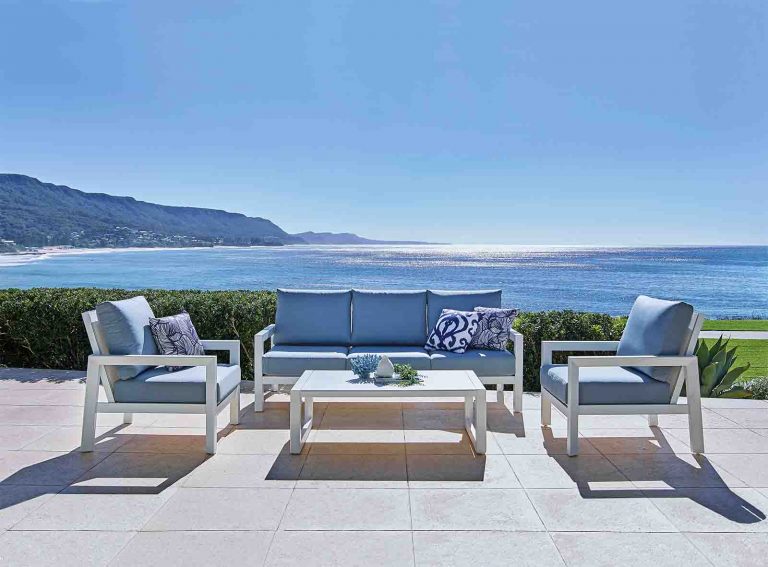
How do I clean mold and mildew from outdoor furniture cushions?
Mold and mildew can develop on outdoor furniture cushions due to exposure to moisture and lack of proper ventilation. Here’s a step-by-step guide to cleaning mold and mildew from your outdoor furniture cushions:
1. Safety Precautions:
Before starting the cleaning process, make sure to wear protective gloves and a mask to avoid direct contact with mold spores.
2. Brushing:
Begin by using a soft-bristle brush or a toothbrush to gently scrub the affected areas of the cushions. This will help loosen the mold or mildew and remove any surface debris.
3. Vacuuming:
Use a vacuum cleaner with a brush attachment to thoroughly vacuum the cushions. This will help remove any loose mold spores or debris.
4. Cleaning Solution:
Prepare a cleaning solution by mixing one part mild dish soap or laundry detergent with four parts warm water. Avoid using bleach or harsh chemicals, as they can damage the fabric.
5. Spot Testing:
Before applying the cleaning solution to the entire cushion, perform a spot test on a small, inconspicuous area to ensure that it does not cause any discoloration or damage.
6. Cleaning:
Dip a sponge or soft cloth into the cleaning solution and gently scrub the affected areas of the cushions. Work in small sections and avoid oversaturating the fabric.
7. Rinsing:
After cleaning, rinse the cushions thoroughly with clean water to remove any soap residue. This can be done using a garden hose or by wiping the cushions with a damp cloth.
8. Drying:
Allow the cushions to air dry completely in a well-ventilated area. Avoid placing them in direct sunlight, as this can cause fading or damage to the fabric.
9. Prevention:
To prevent future mold and mildew growth, ensure proper ventilation for your outdoor furniture. Avoid leaving cushions exposed to prolonged moisture or rain. If possible, store the cushions in a dry place during periods of non-use.
If the mold or mildew stains persist after cleaning, you may need to repeat the process or consider using a specialized mold and mildew cleaner. Follow the instructions provided by the manufacturer for best results.
Regular maintenance and cleaning of outdoor furniture cushions can help prevent mold and mildew growth. It’s recommended to clean the cushions at least once a season or more frequently if needed.
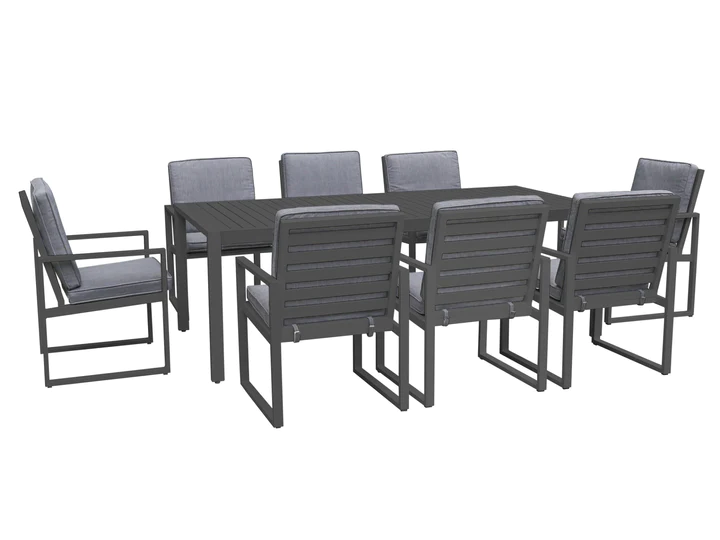
Can outdoor furniture be painted or refinished to give it a new look?
Yes, outdoor furniture can often be painted or refinished to give it a fresh and new look. Whether your furniture is made of wood, metal, or plastic, there are various techniques and products available to help you transform its appearance. Here’s what you need to know:
1. Wood Furniture: Wood furniture can be painted or stained to change its color or enhance its natural beauty. Before refinishing, it’s important to clean the furniture thoroughly and sand it to create a smooth surface. If you want to change the color, apply a suitable outdoor paint or stain that is specifically designed for exterior use and can withstand the elements.
2. Metal Furniture: Metal furniture can be painted to update its look or provide a protective coating. Start by cleaning the furniture to remove any dirt, rust, or peeling paint. Apply a primer designed for metal surfaces to improve paint adhesion, followed by an outdoor paint formulated for metal. Consider using spray paint for a smoother and more even finish.
3. Plastic Furniture: While painting plastic furniture can be challenging, it is possible with the right preparation and paint. Clean the furniture thoroughly and use a fine-grit sandpaper to roughen the surface slightly, allowing the paint to adhere better. Apply a primer specifically designed for plastic surfaces, followed by an outdoor paint suitable for plastic. Look for paints that offer good adhesion and durability.
4. Wicker Furniture: Wicker furniture can be refreshed by repainting or refinishing. Start by cleaning the furniture and removing any loose or damaged fibers. Use a brush or spray paint to apply an outdoor paint or stain suitable for wicker. Apply multiple thin coats for better coverage and durability.
5. Cushions and Fabrics: If your outdoor furniture has cushions or fabric components, you can also update their look by recovering or replacing them. Look for outdoor fabrics that are designed to withstand sun exposure and resist water and stains. Consider using weather-resistant cushions or adding waterproof covers to protect them from the elements.
Before painting or refinishing your outdoor furniture, it’s crucial to consider the specific material, condition, and intended use of the furniture. Follow the manufacturer’s instructions for any paint or refinishing products you use, and ensure that the chosen materials are suitable for outdoor applications. Proper surface preparation and regular maintenance will help extend the life and appearance of your newly refinished outdoor furniture.
How can I properly care for and maintain my outdoor furniture?
Proper care and maintenance of outdoor furniture are essential to ensure its longevity and keep it looking its best. Here are some tips on how to care for and maintain your outdoor furniture:
1. Clean Regularly: Regular cleaning is crucial to prevent dirt, debris, and stains from accumulating on your furniture. Use a mild soap or specialized outdoor furniture cleaner and a soft brush or sponge to scrub the surfaces. Rinse thoroughly with water and allow the furniture to dry completely before using or covering it.
2. Protect from the Elements: When not in use, it’s beneficial to protect your outdoor furniture from harsh weather conditions. Use furniture covers or store the furniture in a covered area, such as a shed or garage, during extreme weather, prolonged periods of rain, or winter months. This helps prevent excessive exposure to sunlight, moisture, and temperature fluctuations.
3. Apply Protective Finishes: Depending on the material of your outdoor furniture, you may need to apply protective finishes to enhance its resistance to the elements. For example, wooden furniture can benefit from a weather-resistant sealant or protective oil to prevent cracking, splitting, and fading. Metal furniture may require occasional touch-ups with rust-resistant paint or protective coatings.
4. Inspect and Repair: Regularly inspect your outdoor furniture for any signs of damage, such as loose screws, broken parts, or weakened joints. Promptly address any issues by tightening screws, replacing damaged components, or seeking professional repairs if needed. This helps maintain the structural integrity of the furniture and prevents further damage.
5. Store Cushions Properly: If your outdoor furniture has cushions or fabric upholstery, it’s important to store them properly when not in use. Remove the cushions and store them in a dry, ventilated area to prevent mold, mildew, and fading. Consider using storage bags or containers specifically designed for cushion storage.
6. Avoid Harsh Cleaning Agents: While it’s important to clean your outdoor furniture, avoid using harsh cleaning agents, abrasive scrubbers, or power washers as they can damage the furniture’s finish or surface. Stick to mild cleaning solutions and gentle cleaning tools to maintain the integrity of the materials.
7. Follow Manufacturer’s Instructions: Always refer to the manufacturer’s instructions and guidelines for caring for your specific outdoor furniture. They may provide specific recommendations based on the material, design, and finish of the furniture.
By following these care and maintenance tips, you can extend the lifespan of your outdoor furniture and keep it looking beautiful for years to come.
editor by CX 2023-10-18
China high quality Morden and Timeless Design Hotel Villa High Quality Outdoor Furniture Garden Leisure Rattan Woven Round Chair wholesaler
Product Description
Morden and timeless design hotel villa high quality outdoor furniture garden leisure rattan woven round chair
| Material | Aluminum |
| Products Number | JC2175wb |
| Size | Chair:85*85*108cm |
| Color | Optional |
| Frame | Aluminum frame. |
| Welding Solution | All Welded |
| Packing | In stack by paper sheet |
| MOQ | 1 pc |
| Delivery time | Generally 30 days for full container and days for sample. |
| Warranty time | 2 years |
| OEM&ODM | OEM&ODM service is available. We have great capacity to meet your demands. |
| Application | Hotel, restaurant, bistro, bar, cafe terrace as well as garden, balcony, courtyard etc.. |
| Feature | Anti UV, waterproof, environmental friendly, easy maintenance, comfortable and durable. |
*FAQ:
(1) What is your MOQ?
MOQ 1pc.
(2) What is your payment term?
T/T or online transactions.
(3) What is your delivery time?
Manufacture takes about 30-45 days (depending on the complexity of the order) after the deposit has been received. Then shipping time depends on where you would like your products shipped to. Stocked items will be faster.
(4) Can i visit your factory?
Sure. We warmly welcome you to visit our factory. Please contact us to make an appointment.
(5) What’s your payment term?
Generally, our payment term is FOB or EXW. If you want to do CIF or CFR, we can quote for you. We require a 50% deposit prior to manufacture and the balance prior to shipping.
(6) Do you have the products in stock?
We have some in stock. Please enquire for what we have available.
(7) What are your warranty terms?
We provide a Two year warranty for structure and workmanship.
(8) How can I make a change or cancel my order?
Making a change to your order is only allowed before production. Once your order has been produced, the order cannot be cancelled or returned. If you require a small change, you may be charged extra according to the situation.
(9) How can I be certain the product is correct and up to standard?
Before we produce the products we will double check all the details with you. For large orders with minimal time restrictions we can make a sample first. If everything is correct, we will continue on to the production.
(10) How does your factory do quality control?
Our quality inspections will take place during each stage of the production process. Also, you are welcome to come to our factory to make an inspection before shipment. When you are satisfied with the product and make the payment, then we will make the shipment.
(11) What happens if my products are damaged?
If the products have been damaged during transportation from China to your destination, please take pictures and send the details to us. If you are concerned about damage occurring, we can purchase insurance for the shipping.
| Material: | Aluminum+PE Rattan |
|---|---|
| Style: | Simple |
| Folded: | Unfolded |
| Usage: | Bar |
| Condition: | New |
| Customized: | Customized |
| Samples: |
US$ 134/Piece
1 Piece(Min.Order) | |
|---|
| Customization: |
Available
|
|
|---|
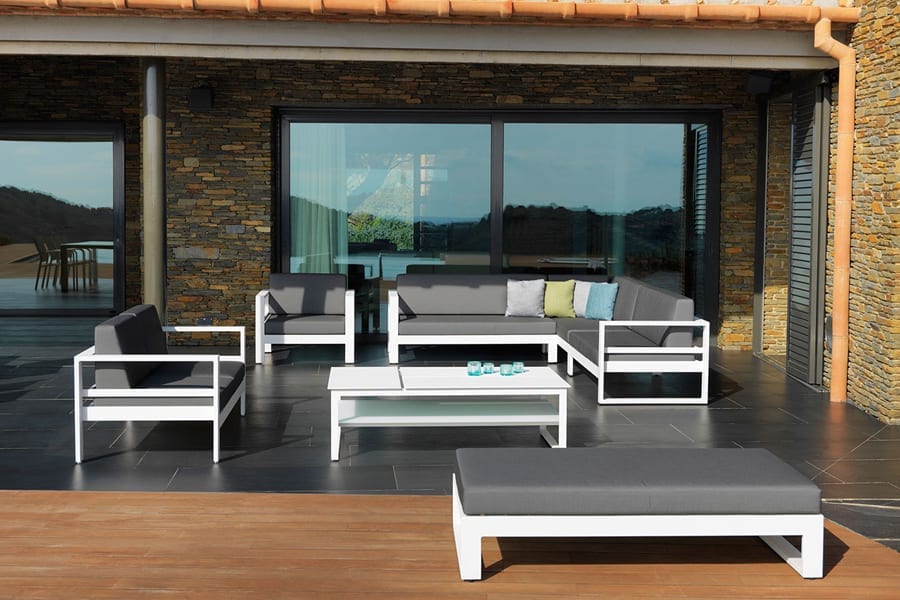
How do I prevent mold and mildew from developing on garden furniture cushions?
Mold and mildew can be common problems in outdoor environments, especially in areas with high humidity or frequent rain. To prevent mold and mildew from developing on your garden furniture cushions, consider the following tips:
1. Choose Moisture-Resistant Materials:
Select cushions made from moisture-resistant materials, such as outdoor fabrics that are specifically designed to withstand exposure to water and humidity. Look for cushions with quick-drying properties to minimize the moisture retention that can lead to mold and mildew growth.
2. Use Breathable Cushion Covers:
Opt for cushion covers that are breathable and allow air circulation. Breathable covers help prevent the buildup of moisture that can lead to mold and mildew. Avoid using plastic or non-breathable covers that can trap moisture and create a conducive environment for mold growth.
3. Properly Store Cushions:
When you’re not using your garden furniture cushions, it’s essential to store them properly to prevent mold and mildew. Ensure the cushions are completely dry before storing them. If they are damp, mold can develop during storage. Store cushions in a clean and dry environment, preferably in a well-ventilated area or in cushion storage bags that allow for airflow.
4. Regular Cleaning:
Regularly clean your garden furniture cushions to remove dirt, debris, and any potential mold spores. Follow the manufacturer’s instructions for cleaning the cushions. In most cases, you can spot clean with a mild soap and water solution. Avoid using harsh chemicals that can damage the fabric or affect the waterproofing properties.
5. Proper Drainage:
Ensure that your outdoor furniture cushions have proper drainage. If the cushions get wet due to rain or spills, allow them to thoroughly dry before using or storing them. Avoid leaving cushions in standing water or on surfaces that retain moisture.
6. Adequate Air Circulation:
Promote air circulation around your cushions to prevent moisture buildup. Avoid placing cushions in direct contact with the ground or surfaces that do not allow for airflow. Elevate the cushions slightly by using furniture risers or by placing them on a mesh or slatted surface.
7. Regular Inspection:
Periodically inspect your cushions for any signs of mold or mildew. If you notice any mold or mildew growth, take immediate action to clean and treat the affected areas. Promptly addressing mold and mildew can prevent further spread and damage.
8. Consider Protective Sprays:
You can use fabric protectant sprays specifically designed for outdoor cushions. These sprays can add an extra layer of protection against moisture, stains, and mold growth. Follow the manufacturer’s instructions for application.
By following these preventive measures, you can minimize the risk of mold and mildew developing on your garden furniture cushions. Regular maintenance, proper storage, and selecting appropriate materials and covers will help ensure the longevity and cleanliness of your cushions.
How do I revive old or worn-out garden furniture to extend its lifespan?
If you have old or worn-out garden furniture, there are several steps you can take to revive it and extend its lifespan. By giving your furniture some attention and care, you can restore its appearance, functionality, and durability. Here’s how you can revive old or worn-out garden furniture:
1. Clean the Furniture:
Start by thoroughly cleaning the furniture to remove dirt, grime, and any existing coatings. Use a mild detergent or a specialized cleaner suitable for the furniture material. Scrub the surfaces with a soft brush or sponge, and rinse with water. Cleaning the furniture will help reveal its true condition and prepare it for further restoration steps.
2. Repair Damaged Parts:
Inspect the furniture for any damaged or broken parts, such as loose joints, cracked wood, or rusted metal. Repair or replace these parts as necessary. Tighten screws, apply wood glue to loose joints, and use appropriate repair techniques for different materials. This step will help ensure the structural integrity of the furniture and prevent further damage.
3. Sand the Surfaces:
If the furniture has a worn or rough surface, sanding can help smooth it out and prepare it for refinishing. Use sandpaper with an appropriate grit for the furniture material. Sand in the direction of the wood grain or follow the manufacturer’s recommendations for other materials. Sanding will remove imperfections, old finishes, and provide a clean surface for the next steps.
4. Apply a Fresh Finish:
Consider applying a fresh finish to protect and enhance the appearance of the furniture. The type of finish will depend on the furniture material. For wooden furniture, options include varnish, paint, or stain. Metal furniture may require a rust-resistant primer and paint. Follow the manufacturer’s instructions and apply multiple coats for better durability.
5. Replace or Reupholster Cushions:
If your garden furniture has cushions that are worn-out or faded, consider replacing or reupholstering them. Look for outdoor-grade fabric that is resistant to UV rays and moisture. Measure the dimensions of the cushions and sew or have them professionally reupholstered. This will give your furniture a fresh and comfortable look.
6. Apply Protective Coatings:
To further extend the lifespan of your furniture, consider applying protective coatings. For wooden furniture, use a wood sealer or exterior-grade varnish to protect it from moisture and UV damage. Metal furniture can benefit from a clear coat or rust-resistant spray to prevent corrosion. These coatings will help maintain the appearance and integrity of the furniture.
7. Store Properly:
When not in use, store your garden furniture properly to protect it from harsh weather conditions. If possible, cover the furniture with a waterproof cover or move it to a covered area. Storing furniture indoors during the winter or extreme weather can significantly extend its lifespan.
8. Regular Maintenance:
Maintain your revived furniture by regularly cleaning it and performing minor repairs as needed. Keep an eye out for signs of wear or damage and address them promptly. By maintaining your furniture, you can ensure its longevity and enjoy it for years to come.
By following these steps, you can breathe new life into your old or worn-out garden furniture and extend its lifespan, saving both money and resources in the process.
What are the latest trends in garden furniture designs and styles?
Garden furniture designs and styles evolve over time, influenced by changing tastes, technological advancements, and emerging trends. Here are some of the latest trends in garden furniture designs:
1. Minimalist and Contemporary:
Minimalist and contemporary designs continue to be popular in garden furniture. Clean lines, sleek profiles, and minimalist aesthetics create a modern and sophisticated look. Neutral colors and simple silhouettes are often seen in these designs.
2. Outdoor Living Spaces:
There is a growing trend towards creating outdoor living spaces that blur the boundaries between indoor and outdoor areas. Furniture designs that mimic indoor comfort and style, such as plush seating with cushions and outdoor rugs, are increasingly popular. This trend emphasizes creating cozy and inviting outdoor environments.
3. Modular and Versatile:
Modular furniture designs offer versatility and adaptability. These designs include sectional seating arrangements that can be rearranged to suit different occasions or to fit various outdoor spaces. The ability to customize and reconfigure the furniture provides flexibility and convenience.
4. Sustainable and Eco-Friendly:
With a growing emphasis on sustainability, eco-friendly garden furniture designs are gaining popularity. Materials like reclaimed wood, recycled plastic, and responsibly sourced teak are being used to create environmentally conscious furniture. Additionally, designs that promote water conservation and energy efficiency are also becoming more prevalent.
5. Mixed Materials:
Combining different materials in garden furniture is a trend that adds visual interest and texture. For example, incorporating wood with metal or wicker with aluminum creates a contemporary and eclectic look. Mixing materials allows for unique and personalized designs.
6. Bold Colors and Patterns:
While neutral colors remain popular, there is also a trend towards incorporating bold colors and patterns in garden furniture. Vibrant hues like deep blues, rich greens, and warm oranges are being used to make a statement. Patterns such as stripes, geometric designs, and floral prints add visual excitement to outdoor spaces.
7. Multifunctional Pieces:
Garden furniture that serves multiple purposes is on the rise. Examples include benches with built-in storage, coffee tables that convert into dining tables, or loungers with adjustable features. This trend maximizes functionality and optimizes space utilization in outdoor areas.
These are just a few of the latest trends in garden furniture designs and styles. Ultimately, it’s important to choose a style that resonates with your personal preferences and complements the overall aesthetic of your outdoor space.
editor by CX 2023-10-18
China wholesaler Modern Leisure Teak Wood Outdoor Furniture Garden Rattan Patio Daybed Furniture Aluminum Furniture Sun Lounge Sunbed vacuum pump oil
Product Description
Sunneda outdoor furniture factory is a modern factory specializing in the production of sofa, outdoor table and chair, bed and other woven products. We have a sound quality management system and after-sales service system. If you want to know more details, please do not hesitate to contact us.
FAQ
Q1: Are you a factory or a trading company?
A: We are a manufacturer of years Outdoor furniture experience, located in HangZhou City, ZheJiang China, with an area of 4, 500 square CHINAMFG workshop and more than 80 employees
Q2: What’s your main market?
A: Our main market is North America, Europe, Australia and other countries, exporting more than 200 containers per month.
Q3: What’s your delivery time if I have placed an order?
A: We can ensure you to deliver your goods within 40-60 days when we get your order confirmation and deposit.
Q4: Could you offer customize service?
A: Yes, we can. We are capable of tailor the products according to your personal requirements.
Q5: Does the company pass the relevant factory inspection?
A: Passed BSCI Audit Passed Security Audit
Passed Quality Audit 2018/6 passed ISO9001, ISO14001, OHSAS18001 certification
Q6: What is your MOQ?
A: In stock,MOQ is 10 pcs in 1 color.Personalized Product,MOQ is 1 40GP.
| Material: | Aluminum |
|---|---|
| Style: | Modern |
| Kind: | Outdoor |
| Folded: | Unfolded |
| Type: | Combination |
| Customized: | Customized |
| Samples: |
US$ 26/Set
1 Set(Min.Order) | |
|---|
| Customization: |
Available
|
|
|---|
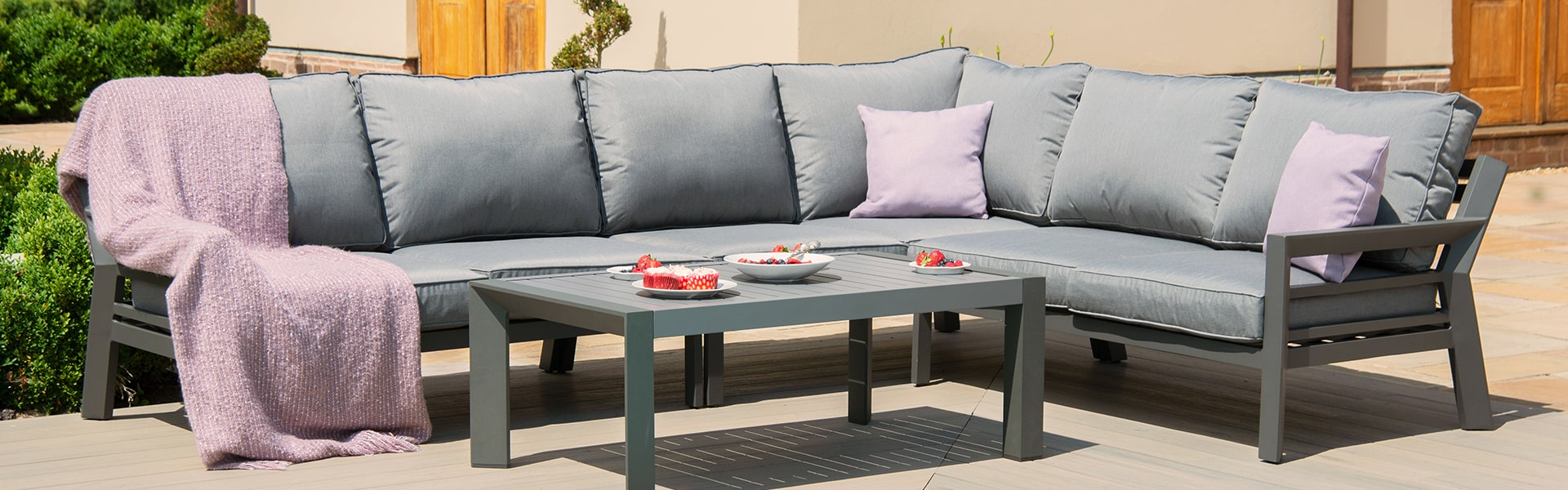
Can I leave outdoor furniture out in the rain, or should I store it indoors?
Whether you can leave outdoor furniture out in the rain or store it indoors depends on the type of furniture and the materials it’s made of. Here are some considerations:
1. Weather-Resistant Materials:
Outdoor furniture made from weather-resistant materials such as aluminum, teak, or synthetic wicker is designed to withstand exposure to rain and other elements. These materials are less prone to rust, rot, or damage caused by moisture. It’s generally safe to leave furniture made from these materials outdoors during light to moderate rain.
2. Protective Covers:
Using protective covers can help shield outdoor furniture from rain and moisture. Waterproof covers specifically designed for outdoor furniture can provide an extra layer of protection, helping to prevent water damage. If your furniture doesn’t have built-in weather resistance, using covers when rain is expected is recommended.
3. Quick-Drying Fabrics:
Outdoor furniture with quick-drying fabrics is designed to resist moisture absorption and promote faster drying. This helps prevent mold and mildew growth. If your furniture has cushions or upholstery made from quick-drying fabrics, it can be left outside during light rain, but it’s advisable to bring them indoors during heavy rain or extended periods of wet weather.
4. Non-Weather-Resistant Materials:
Some outdoor furniture materials, such as certain types of wood or untreated metals, are more susceptible to damage from moisture. These materials may warp, rot, or develop mold if exposed to rain. It’s generally best to store furniture made from non-weather-resistant materials indoors or in a covered area when not in use to prevent water damage.
5. Extreme Weather Conditions:
In cases of severe weather conditions, such as heavy rainstorms, hurricanes, or prolonged periods of wet weather, it’s advisable to store outdoor furniture indoors or in a covered area. Extreme weather can cause significant damage to furniture, even if it’s made from weather-resistant materials.
6. Seasonal Storage:
During seasons when outdoor furniture is not in use or when the weather is consistently wet, it’s generally recommended to store the furniture indoors or in a dry, covered area. This helps protect the furniture from prolonged exposure to rain and extends its lifespan.
7. Regular Maintenance:
Regardless of whether you leave outdoor furniture out in the rain or store it indoors, regular maintenance is essential. Clean the furniture regularly and follow any specific care instructions provided by the manufacturer to ensure its longevity and performance.
Ultimately, the decision to leave outdoor furniture out in the rain or store it indoors depends on the specific furniture materials, weather conditions, and personal preferences. Consider the factors mentioned above and use your judgment to determine the best course of action for your outdoor furniture.
How can I make my outdoor furniture more comfortable with accessories?
If you’re looking to enhance the comfort of your outdoor furniture, there are various accessories you can consider. Here are some ways to make your outdoor furniture more comfortable:
1. Cushions and Pillows: Adding cushions and pillows is one of the easiest ways to make outdoor seating more comfortable. Look for cushions specifically designed for outdoor use, as they are typically made with durable and weather-resistant materials. Choose cushions and pillows in soft, water-resistant fabrics that complement your outdoor décor.
2. Outdoor Rugs: Placing an outdoor rug beneath your furniture can add both comfort and style to your outdoor space. Outdoor rugs provide a soft surface underfoot, making the seating area more inviting. Opt for rugs made from materials that can withstand outdoor conditions, such as polypropylene or natural fibers like sisal or jute.
3. Umbrellas or Shade Sails: If your outdoor space is exposed to direct sunlight, consider adding umbrellas or shade sails to provide shade and relief from the sun’s rays. This can help create a more comfortable and enjoyable seating area, especially during hot summer days. Look for umbrellas or shade sails that are adjustable and made from UV-resistant materials.
4. Outdoor Curtains: Installing outdoor curtains around your seating area can add privacy, create a sense of enclosure, and provide shade. Choose curtains made from outdoor-rated fabrics that are resistant to fading and mildew. You can also opt for sheer curtains to allow for airflow while still providing some privacy.
5. Mosquito Netting: If you frequently deal with mosquitoes or other insects, consider using mosquito netting around your outdoor furniture. This can help create a bug-free zone, allowing you and your guests to relax comfortably without being bothered by pests. Look for netting that is specifically designed for outdoor use and easy to install.
6. Outdoor Throw Blankets: For cooler evenings or during transitional seasons, provide cozy comfort by offering outdoor throw blankets. These can be made from weather-resistant materials or outdoor-friendly fabrics that are easy to clean. Place the blankets on the back of chairs or in a basket nearby for guests to use as needed.
7. Outdoor Lighting: Proper lighting can contribute to the overall comfort and ambiance of your outdoor space. Install outdoor lighting fixtures such as string lights, lanterns, or sconces to create a warm and inviting atmosphere. This will not only enhance the comfort but also extend the usability of your outdoor furniture into the evening hours.
Remember to choose accessories that are specifically designed for outdoor use and can withstand the elements. Regular cleaning and maintenance of the accessories will help ensure their longevity and continued comfort.
What are the key features to consider when shopping for outdoor furniture?
When shopping for outdoor furniture, there are several key features to consider to ensure you choose the right pieces for your needs and preferences. Here are the key features to keep in mind:
1. Material: The material of the outdoor furniture is crucial as it determines its durability, resistance to the elements, and maintenance requirements. Common materials include teak, aluminum, wrought iron, HDPE wicker, steel, and recycled plastic. Consider the weather conditions, level of maintenance you’re willing to invest, and the desired aesthetic when selecting the material.
2. Comfort: Outdoor furniture should be comfortable for you and your guests to enjoy. Look for features such as ergonomic design, supportive cushions, and adjustable elements like reclining chairs or ottomans. Test the furniture in person, if possible, to ensure it provides the desired level of comfort.
3. Style and Design: Outdoor furniture comes in a variety of styles and designs to suit different tastes and outdoor aesthetics. Consider the overall style of your outdoor space and choose furniture that complements it. Whether you prefer modern, traditional, rustic, or eclectic designs, select furniture that enhances the visual appeal of your patio, deck, or garden.
4. Size and Scale: Before purchasing outdoor furniture, measure the available space and consider the scale of the furniture in relation to the area. Oversized furniture can make a small space feel cramped, while furniture that is too small may look out of place. Ensure the furniture fits well and allows for comfortable movement around it.
5. Functionality: Think about how you plan to use your outdoor space and choose furniture that caters to those needs. Whether you want a dining set for outdoor meals, a lounge area for relaxation, or versatile pieces that can serve multiple purposes, prioritize functionality when selecting outdoor furniture.
6. Maintenance Requirements: Different types of outdoor furniture have varying maintenance requirements. Consider the level of maintenance you’re willing to undertake. Some materials may require regular cleaning, staining, or protective treatments, while others are low-maintenance and only need occasional cleaning. Choose furniture that aligns with your maintenance preferences and capabilities.
7. Budget: Set a budget for your outdoor furniture purchase and consider the quality and longevity of the furniture within that budget. While affordability is important, prioritize quality and durability to ensure your outdoor furniture lasts for years to come.
By considering these key features when shopping for outdoor furniture, you can make informed decisions and select pieces that meet your needs, style, and budget.
editor by CX 2023-10-18